Gadi Eisenkot government formation marks a significant shift in Israeli politics, as the ex-military chief steps up to challenge Netanyahu’s leadership.
Background on Gadi Eisenkot
Gadi Eisenkot, a former chief of staff of the Israel Defense Forces, has emerged as a significant player in the country’s political landscape. Known for his strategic military insights and leadership skills, Eisenkot has transitioned from military service to politics, positioning himself as a strong opponent of Prime Minister Benjamin Netanyahu.
His recent appointment to spearhead the government formation process marks a pivotal moment in Israeli politics. Eisenkot’s political ideology is anchored in democratic values and security, and he aims to create a government that reflects these principles. With a growing support base, he has garnered attention for advocating policies that prioritize national unity and social justice.
Many observers believe that the Gadi Eisenkot government formation could signal a shift in the political dynamics of Israel. As he navigates the complexities of coalition building, Eisenkot faces challenges from both established political factions and emerging parties. Nevertheless, his leadership experience and commitment to reform could pave the way for a government that addresses the pressing issues facing the nation.
- Military Background: Former IDF chief of staff.
- Political Stance: Advocate for democracy and security.
- Coalition Challenges: Navigating a complex political landscape.
The Role of Ex-Military Leaders in Politics
The recent appointment of Gadi Eisenkot to lead the formation of a government marks a significant shift in Israeli politics, particularly given his background as a former military chief. His transition from military leadership to political authority highlights the growing trend of ex-military leaders stepping into pivotal roles within the government.
Military leaders often bring a unique perspective on national security and governance, which can resonate with the electorate. Eisenkot, a vocal opponent of Prime Minister Netanyahu, aims to address pressing issues such as security, economic stability, and social unity. His experience in the Israel Defense Forces equips him with the skills necessary to navigate these complex challenges.
As the Gadi Eisenkot government formation process unfolds, many are watching how his leadership style will influence policy-making. The influence of military figures in politics is not new; it has been a recurring theme in Israel’s history. Key advantages include:
- Strategic Decision-Making: Military training emphasizes quick, strategic responses to crises.
- Public Trust: Many citizens feel a sense of safety and security when led by familiar military figures.
- Coalition Building: Military leaders often have extensive networks that can aid in forming coalitions.
Challenges Facing the New Government
The formation of the Gadi Eisenkot government presents several challenges that could shape its effectiveness and longevity. As Eisenkot steps into this pivotal role, he must navigate a complex political landscape marked by deep divisions and heightened public expectations.
One of the primary challenges is the diverse coalition he must assemble. Eisenkot aims to unite various political factions, each with distinct agendas and priorities. This task requires not only political acumen but also the ability to foster collaboration among traditionally opposing parties.
Additionally, public trust in government institutions remains fragile. Many citizens are skeptical of political leaders, especially those with military backgrounds like Eisenkot. To address this, the government formation must prioritize transparency and accountability to regain confidence and support from the populace.
Moreover, pressing social issues, such as economic inequality and security concerns, demand immediate attention. Eisenkot’s administration will need to implement effective policies that resonate with the public while also addressing the concerns of its coalition partners.
In summary, the Gadi Eisenkot government formation faces significant hurdles that require strategic planning and a commitment to unifying a fragmented political environment.
Public Reaction to Eisenkot’s Appointment
Public reaction to Gadi Eisenkot’s appointment as the leader tasked with government formation has been notably mixed, reflecting a nation divided on its political future. Supporters of Eisenkot, many of whom see him as a stabilizing force, have expressed optimism about his ability to navigate the complex political landscape. They believe that his military background and leadership skills will bring a fresh perspective to governance.
Conversely, opponents worry that Eisenkot’s ties to the military may not translate well into civilian leadership. Some critics argue that while he may be an effective military commander, the nuances of political negotiations could pose significant challenges.
Among the public, there is a palpable sense of hope tempered by skepticism. A recent survey indicated that approximately 60% of respondents are cautiously optimistic about the Gadi Eisenkot government formation, believing that his leadership could lead to a more unified approach to pressing national issues.
At the same time, social media reactions have been a mixed bag, with hashtags supporting Eisenkot trending alongside those expressing doubts about his plans. The coming weeks will likely reveal more about public sentiment as the new government begins to take shape.
Comparing Eisenkot and Netanyahu
In analyzing the contrasting leadership styles of Gadi Eisenkot and Benjamin Netanyahu, it becomes clear that their approaches to governance reflect their distinct backgrounds and political philosophies. Eisenkot, a former military chief, emphasizes collaboration and consensus-building, which may resonate with a public fatigued by divisive politics.
On the other hand, Netanyahu, who has dominated Israeli politics for over a decade, is known for his assertive and often confrontational tactics. His tenure has been marked by significant political turmoil and a polarized electorate.
One key difference in their strategies is:
- Security Policies: Eisenkot advocates for a more measured approach to security issues, focusing on diplomacy and international partnerships, while Netanyahu has pursued aggressive military strategies.
- Domestic Issues: Eisenkot aims to address social inequalities and economic challenges, whereas Netanyahu has prioritized defense spending and national security.
As Gadi Eisenkot embarks on government formation, his ability to unite various factions and appeal to a broader audience will be crucial. The contrast with Netanyahu’s tenure may provide a fresh perspective on governance in Israel, shaping the future of the nation.
Potential Policies Under Eisenkot
The formation of a government under Gadi Eisenkot is anticipated to bring a shift in policy direction, reflecting his military background and leadership style. Eisenkot, known for his strategic thinking and emphasis on security, is expected to prioritize several key areas:
- National Security: Eisenkot’s experience as a former military chief positions him to tackle ongoing security challenges, with a focus on strengthening Israel’s defenses and addressing regional threats.
- Societal Cohesion: Recognizing the importance of unity, Eisenkot aims to bridge divides within Israeli society, fostering dialogue among different communities.
- Economic Development: His government is likely to introduce policies aimed at stimulating economic growth, particularly in sectors that promote innovation and technology.
- Infrastructure Improvement: Eisenkot may prioritize investments in infrastructure, ensuring that the country remains competitive and can meet the demands of a growing population.
As Gadi Eisenkot moves forward with the government formation, these potential policies reflect his commitment to addressing the complexities of leadership, while also resonating with public expectations for a more stable and secure Israel.
Future of Israeli Politics
The future of Israeli politics appears to be shifting significantly with the recent formation of the Gadi Eisenkot government. As a former military chief, Eisenkot brings a unique perspective to the political landscape, which may influence the direction of the country in the coming years.
Analysts predict that Eisenkot’s background will lead to a more security-focused approach, particularly in matters related to national defense and regional stability. His experience is expected to resonate with voters who prioritize security, potentially reshaping party dynamics and voter alignments.
Key issues that the Eisenkot government may prioritize include:
- National Security: Strengthening defense policies in response to regional threats.
- Economic Reforms: Addressing economic challenges while fostering growth and innovation.
- Social Cohesion: Promoting unity among diverse communities within Israel.
As Eisenkot navigates these complex issues, the political landscape will likely continue to evolve. The Gadi Eisenkot government formation marks a pivotal moment, with the potential to redefine Israeli politics for years to come.
The recent developments surrounding the Gadi Eisenkot government formation have sparked optimism among political analysts. Many believe that the Gadi Eisenkot government formation will bring stability and renewed focus to pressing national issues.
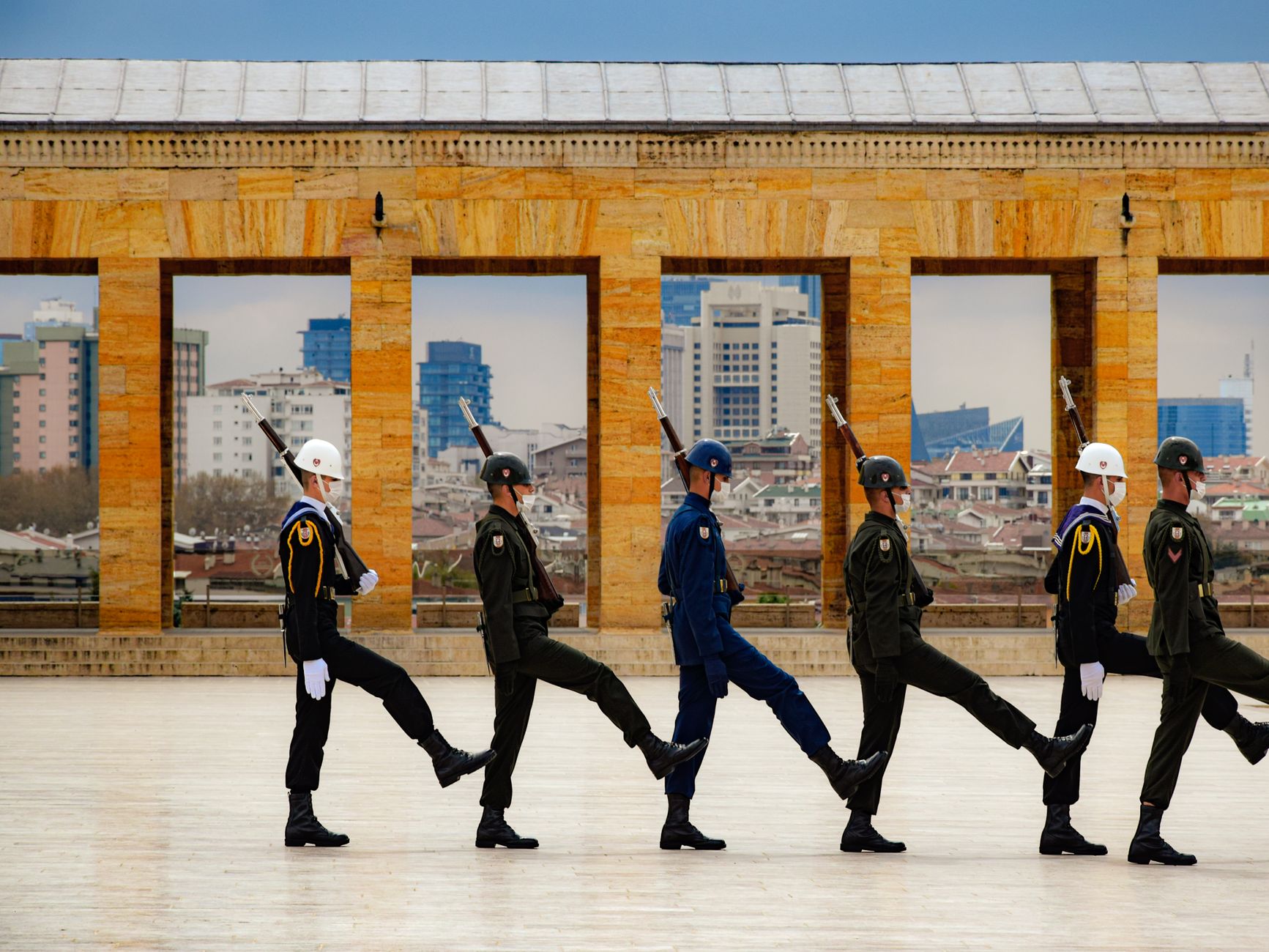
Photo by feyza ergün on Pexels
Read the original
Related reading
Stellar Blade Ad: The Best Honest Look at Fan Reactions · Cross-Border Payment Options: Easy New Solutions for India · India Car Sales: Best Proven Growth in History