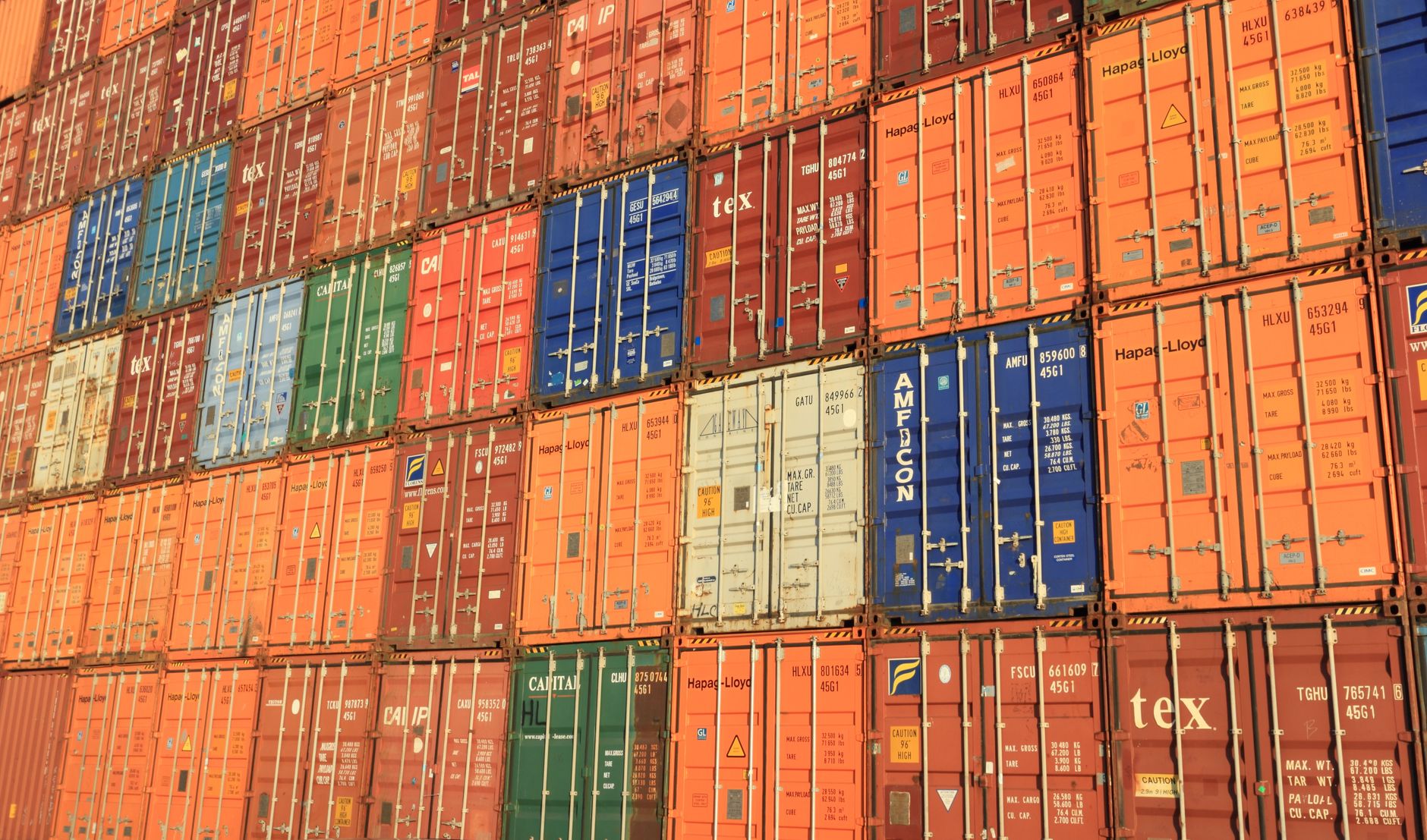
Import cargo strength is evident as we near the end of the tariff-extended peak season. Recent reports highlight the ongoing resilience in cargo volumes despite economic challenges.
Current Trends in Import Cargo
As the peak season approaches its conclusion, the latest data indicates that import cargo strength remains robust. According to the National Retail Federation (NRF), the ongoing demand for goods continues to drive import volumes, showcasing resilience despite economic fluctuations.
Several factors contribute to the current trends in import cargo:
- Consumer Spending: Increased consumer spending has led to heightened demand for imported goods, particularly in the retail sector.
- Supply Chain Adjustments: Businesses are adapting their supply chains to meet consumer needs, ensuring a steady flow of imports.
- Tariff Implications: Extended tariffs have influenced import strategies, with businesses optimizing their cargo strength to mitigate costs.
As the season continues, stakeholders are closely monitoring these trends to inform their logistics and inventory strategies moving forward.
Impact of Tariffs on Shipping
The recent analysis by the National Retail Federation (NRF) highlights the significant impact of tariffs on shipping practices during the peak season for import cargo strength. As tariffs continue to influence costs, businesses are adapting their strategies to maintain efficiency and profitability.
Several key factors are contributing to the changing landscape:
- Increased Costs: Tariffs have led to higher shipping expenses, prompting companies to seek alternative routes and suppliers.
- Supply Chain Adjustments: Many importers are re-evaluating their supply chains to mitigate tariff impacts and enhance cargo strength.
- Consumer Demand Shifts: Fluctuating consumer behaviors influenced by pricing changes are reshaping import strategies.
As businesses prepare for future challenges, understanding how tariffs affect their import cargo strength will be crucial in navigating the evolving market landscape.
Peak Season Insights
The peak season for import cargo strength continues to show promising signs, according to recent data from the National Retail Federation (NRF). As retailers prepare for the holiday rush, import volumes remain robust, reflecting a resilient supply chain. This strong performance is attributed to several key factors:
- Consumer Demand: Increased spending on goods keeps import levels high.
- Inventory Management: Retailers are strategically stocking up to meet anticipated demand.
- Global Supply Chain Adjustments: Companies are adapting to ongoing challenges, ensuring timely deliveries.
Despite lingering tariff impacts, the import cargo strength has not wavered, indicating that businesses are finding ways to navigate costs while maintaining inventory levels. Observing these trends can provide valuable insights for stakeholders looking to optimize their shipping strategies during this critical time.
Logistics Challenges Ahead
As the peak season approaches, logistics challenges are becoming increasingly apparent for import cargo strength. The ongoing global supply chain disruptions, coupled with labor shortages and port congestion, are testing the resilience of the logistics industry.
Key challenges include:
- Port Congestion: Major ports are experiencing significant delays, affecting the timely delivery of goods.
- Increased Freight Rates: Shipping costs continue to rise, impacting overall import cargo strength and profitability.
- Labor Shortages: A lack of workforce in critical areas such as warehousing and trucking exacerbates delays.
Industry experts emphasize the need for strategic planning and adaptation to navigate these complexities effectively. Companies that leverage technology and enhance their logistics strategies will be better positioned to maintain import cargo strength during this challenging period.
Future of Import Cargo
The future of import cargo appears promising as industry experts anticipate continued strength driven by evolving consumer demands and strategic supply chain adjustments. As we move forward, several key factors are expected to shape the landscape of import cargo strength:
- Technological Advancements: Enhanced tracking systems and automation in logistics can streamline operations, improving efficiency and reducing costs.
- Sustainability Initiatives: A growing emphasis on eco-friendly practices may lead to innovations in shipping methods, impacting cargo transportation positively.
- Regulatory Changes: Ongoing adjustments to trade policies and tariffs will continue to influence import dynamics, requiring businesses to adapt swiftly.
- Consumer Behavior: The rise of e-commerce and changing shopping habits will further drive the demand for robust import cargo strategies.
As these trends unfold, stakeholders must remain agile to capitalize on opportunities within the evolving import cargo environment.
Analysis of Cargo Volumes
The analysis of cargo volumes during the peak season indicates a sustained strength in import cargo, as reported by the National Retail Federation (NRF). Recent data reveals that import levels have shown resilience despite ongoing challenges in logistics and tariff impacts.
Key observations include:
- Consistent Growth: Import cargo volumes have remained robust, suggesting that consumer demand continues to drive shipping activities.
- Port Performance: Major ports are experiencing high throughput, which has contributed to the overall cargo strength.
- Adaptability: Importers have adjusted strategies to navigate tariffs and other hurdles, which has bolstered the strength of cargo imports.
As the industry moves forward, understanding these trends will be crucial for stakeholders aiming to optimize their operations and leverage the ongoing strength in import cargo.
Economic Factors Influencing Trade
The landscape of international trade is continuously shaped by various economic factors that influence the strength of import cargo. One significant factor is the fluctuating demand for consumer goods, which often spikes during peak shopping seasons. This demand directly affects shipping schedules and capacity.
Additionally, currency exchange rates play a crucial role. A strong U.S. dollar can make imports cheaper, while a weaker dollar may lead to increased costs for consumers. These shifts can impact inventory strategies for retailers as they adjust to market conditions.
Moreover, economic indicators such as GDP growth rates and employment statistics are essential in forecasting trade patterns. Strong economic performance typically correlates with increased import cargo strength, as businesses anticipate higher consumer spending. As we move forward, understanding these economic factors will be vital for stakeholders in the import industry to navigate challenges and seize opportunities.
Expert Opinions on Shipping Trends
Experts in the shipping industry emphasize the resilience of import cargo strength as we approach the end of the peak season. According to recent insights from the National Retail Federation (NRF), despite ongoing challenges, the demand for imported goods remains robust.
Key opinions from industry analysts highlight several factors contributing to this trend:
- Consumer Demand: Continued consumer spending has kept import levels steady, indicating a strong market appetite.
- Supply Chain Adaptations: Companies are optimizing their logistics strategies to mitigate delays and enhance efficiency.
- Technological Innovations: Advances in tracking and inventory management have improved cargo handling and distribution.
As businesses prepare for the upcoming months, understanding these expert perspectives will be crucial for navigating the complexities of import cargo strength and maintaining competitive advantage.
Photo by Pixabay on Pexels