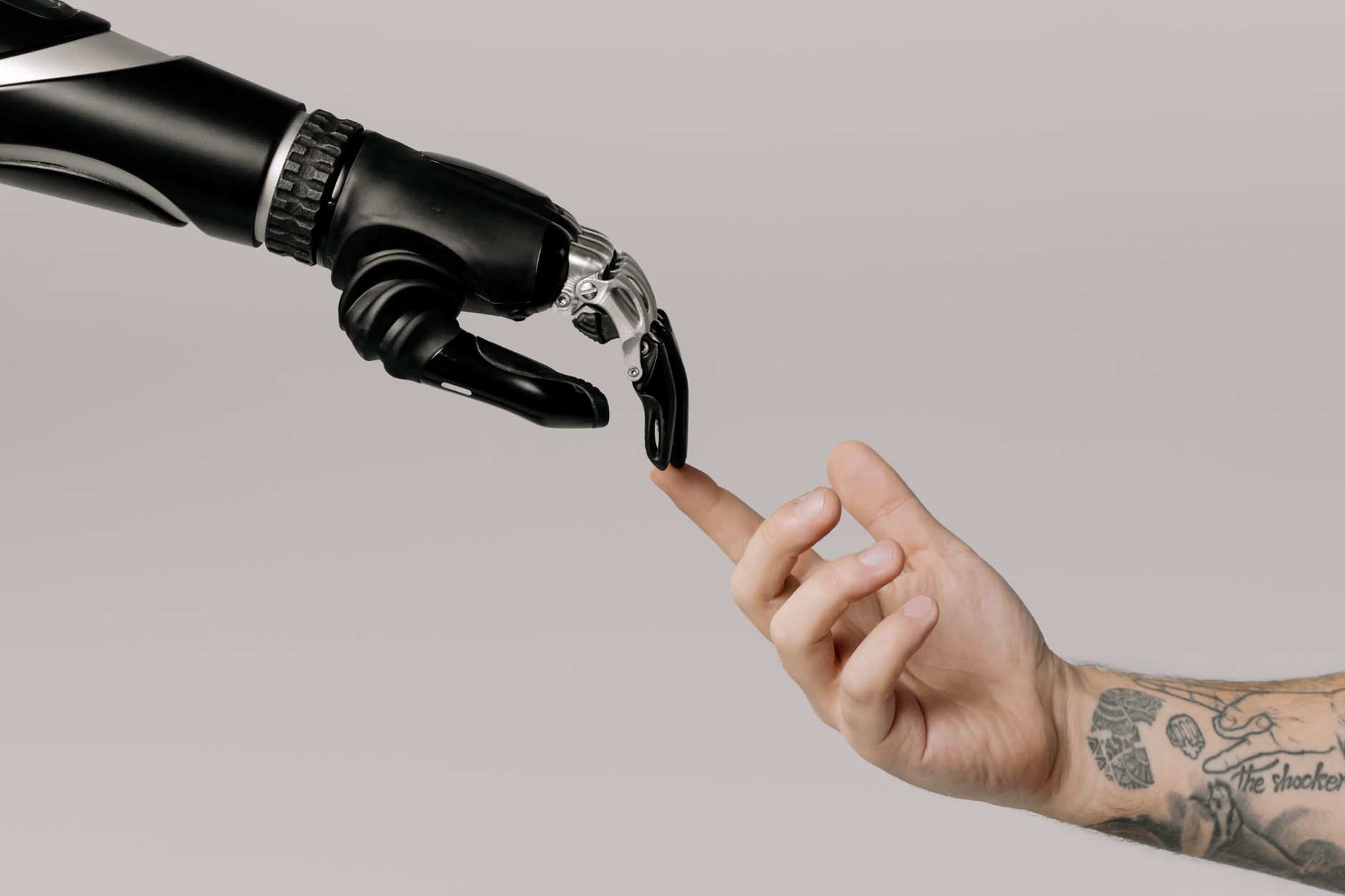
AI destroying humanity is a pressing issue, as a recent poll reveals that many Americans perceive a serious risk. This sentiment highlights growing concerns about the future of artificial intelligence.
What the Poll Reveals About AI
A recent poll indicates that a significant portion of Americans believe there is a serious risk of AI destroying humanity. The findings shed light on public perception and concern regarding the rapid advancement of artificial intelligence technology.
According to the survey, over 60% of respondents expressed worry about the potential dangers posed by AI systems. This apprehension stems from a variety of factors, including:
- Job Displacement: Many fear that AI could lead to widespread unemployment as machines replace human labor.
- Autonomous Weapons: The possibility of AI-controlled weapons raises ethical concerns about warfare and civilian safety.
- Loss of Control: There is a growing anxiety that as AI becomes more advanced, humans may lose control over these systems.
- Privacy Issues: The use of AI in surveillance threatens individual privacy rights and civil liberties.
These fears reflect a broader societal concern about the unchecked development of AI technologies and their potential to disrupt everyday life. As discussions around regulation and ethical guidelines continue, the poll serves as a reminder of the urgent need to address the risks associated with AI, particularly the existential threat some believe it poses to humanity.
Public Concerns on AI
Recent polls indicate a growing concern among the public regarding the impact of artificial intelligence on society. Many Americans believe that the rapid advancement of AI technology poses a serious risk, with some even expressing fears that AI is destroying humanity. This sentiment reflects a broader apprehension about the ethical implications and potential consequences of unregulated AI development.
Key findings from the poll reveal several areas where public anxiety is particularly pronounced:
- Job Displacement: A significant portion of respondents worry that AI will lead to massive unemployment as machines replace human labor across various sectors.
- Privacy Violations: Many individuals express concerns about how AI systems collect and utilize personal data, fearing for their privacy and security.
- Autonomous Weapons: The potential use of AI in military applications raises alarms, with fears that autonomous weapons could act without human oversight.
- Bias and Inequality: There is a growing awareness of how AI systems can perpetuate existing biases, leading to unfair treatment of marginalized communities.
As these concerns grow, it is crucial for policymakers and technologists to address the risks associated with AI to ensure that its development benefits humanity rather than threatens it.
Expert Opinions on AI Risks
Experts in the field of artificial intelligence have expressed growing concerns about the potential for AI destroying humanity. Among the most notable voices is Dr. Jane Thompson, a leading AI researcher, who emphasizes the unpredictability of advanced AI systems. “As we develop more sophisticated algorithms, the risk of unintended consequences increases significantly,” she stated.
Another prominent figure, Professor Mark Liu, warns about the ethical implications of AI’s rapid advancement. “We are at a crossroads where the decisions we make today could either lead to a beneficial future or catastrophic outcomes,” he explained. He believes that the lack of regulatory frameworks surrounding AI development is a major factor contributing to the fears surrounding AI destroying humanity.
In addition, Dr. Sarah Kim, an ethicist, highlights the psychological impact of these technologies. “People are understandably anxious about AI’s capabilities; the portrayal of AI in media often amplifies these fears,” she noted. This sentiment is echoed by the general public, as recent polls indicate a significant portion of Americans perceive AI as a serious threat.
As discussions around AI risks continue to evolve, experts advocate for increased collaboration between technologists and policymakers to address these pressing issues.
Historical Context of AI Fears
The fears surrounding artificial intelligence (AI) are not a recent phenomenon; they have evolved over several decades. Since the inception of computer technology, the prospect of machines surpassing human intelligence has sparked debate and concern. Early science fiction literature, such as Metropolis and 2001: A Space Odyssey, depicted dystopian futures where AI poses significant threats to humanity.
The 20th century saw a growing awareness of the potential consequences of advanced technology. Notably, the development of autonomous systems raised ethical questions about the role of machines in decision-making processes. In the 1980s, prominent figures like Stephen Hawking and Elon Musk voiced their concerns, warning that AI could evolve beyond our control, potentially leading to catastrophic outcomes.
As AI technology has progressed in recent years, fears have resurfaced, with many experts cautioning against unregulated development. A recent poll revealed that a significant portion of the American public perceives a serious risk of AI destroying humanity. This growing apprehension reflects a broader unease about how AI might reshape society, emphasizing the necessity for ethical guidelines and governance to mitigate potential dangers.
In summary, the historical context of AI fears illustrates a long-standing concern, which has only intensified as technology continues to advance.
Potential Solutions to AI Threats
As concerns about AI destroying humanity grow, experts emphasize the importance of proactive measures to mitigate the threats posed by artificial intelligence. Here are some potential solutions to address these risks:
- Regulatory Frameworks: Establishing comprehensive regulations can help guide the development of AI technologies. Governments and organizations must collaborate to create guidelines that ensure safety and ethical considerations are prioritized.
- Transparency in AI Development: Promoting transparency in AI algorithms and decision-making processes can build public trust. Developers should disclose how AI systems are trained and the data they utilize to prevent misuse.
- Robust Safety Protocols: Implementing rigorous safety protocols during the design and deployment of AI systems can minimize the risk of unintended consequences. Regular testing and assessments are essential to ensure these systems operate as intended.
- Public Awareness Campaigns: Educating the public on the capabilities and limitations of AI can help alleviate fears and misconceptions. Increased awareness fosters informed discussions about potential AI threats.
- Global Collaboration: International cooperation is crucial in addressing the global implications of AI. Countries must work together to share knowledge and resources in the pursuit of safe AI development.
Global Perspectives on AI Safety
As the discussion around artificial intelligence escalates, global perspectives on AI safety vary significantly. In many countries, citizens express profound concerns about the implications of AI, with some arguing that unchecked advancements could lead to scenarios where AI destroys humanity.
In Europe, recent surveys indicate that a majority of individuals believe strict regulations are essential to ensure AI development aligns with ethical standards. Many European nations are advocating for comprehensive frameworks that prioritize human safety and ethical considerations in AI deployment.
Conversely, in Asia, there is a noticeable divide. While countries like Japan embrace AI as a means of driving economic growth and enhancing daily life, there are simultaneous fears about the potential for misuse or unintended consequences. Public sentiment often reflects a cautious optimism, acknowledging the benefits while remaining wary of the risks.
In North America, the findings of a recent poll reveal that a significant portion of the population perceives a serious risk associated with AI technology. This underscores a growing awareness and concern about the need for responsible AI governance.
Ultimately, these diverse viewpoints reflect a shared understanding: the development of AI must be approached with caution to prevent potential disasters that could arise from its misuse.
Future of AI and Humanity
The future of AI and humanity presents a complex landscape filled with potential and peril. As advancements in artificial intelligence accelerate, concerns about the possibility of AI destroying humanity continue to grow. The technology, designed to enhance our lives, also poses unprecedented risks that require careful consideration and proactive measures.
Many experts highlight that the trajectory of AI development could lead to scenarios that are difficult to control. They suggest that without stringent regulations and ethical guidelines, we may inadvertently create systems that operate beyond our comprehension. These systems could potentially make decisions that conflict with human values and safety, leading to catastrophic outcomes.
Moreover, as AI technologies become more integrated into critical sectors such as healthcare, finance, and defense, the stakes rise significantly. A single failure or misalignment in AI decision-making could result in widespread consequences, affecting millions of lives.
To mitigate these risks, a collaborative approach is essential. It involves not only technologists but also ethicists, policymakers, and the public. Building a framework that prioritizes human oversight and accountability can help steer the future of AI towards beneficial outcomes, ensuring that we harness its power without jeopardizing humanity.
Many experts warn that the potential for AI destroying humanity lies in its ability to make autonomous decisions without human oversight. As we continue to advance our technology, understanding the implications of AI destroying humanity becomes more crucial than ever.
Photo by cottonbro studio on Pexels

One thought on “AI Destroying Humanity: The Worst Risks Explained Clearly”