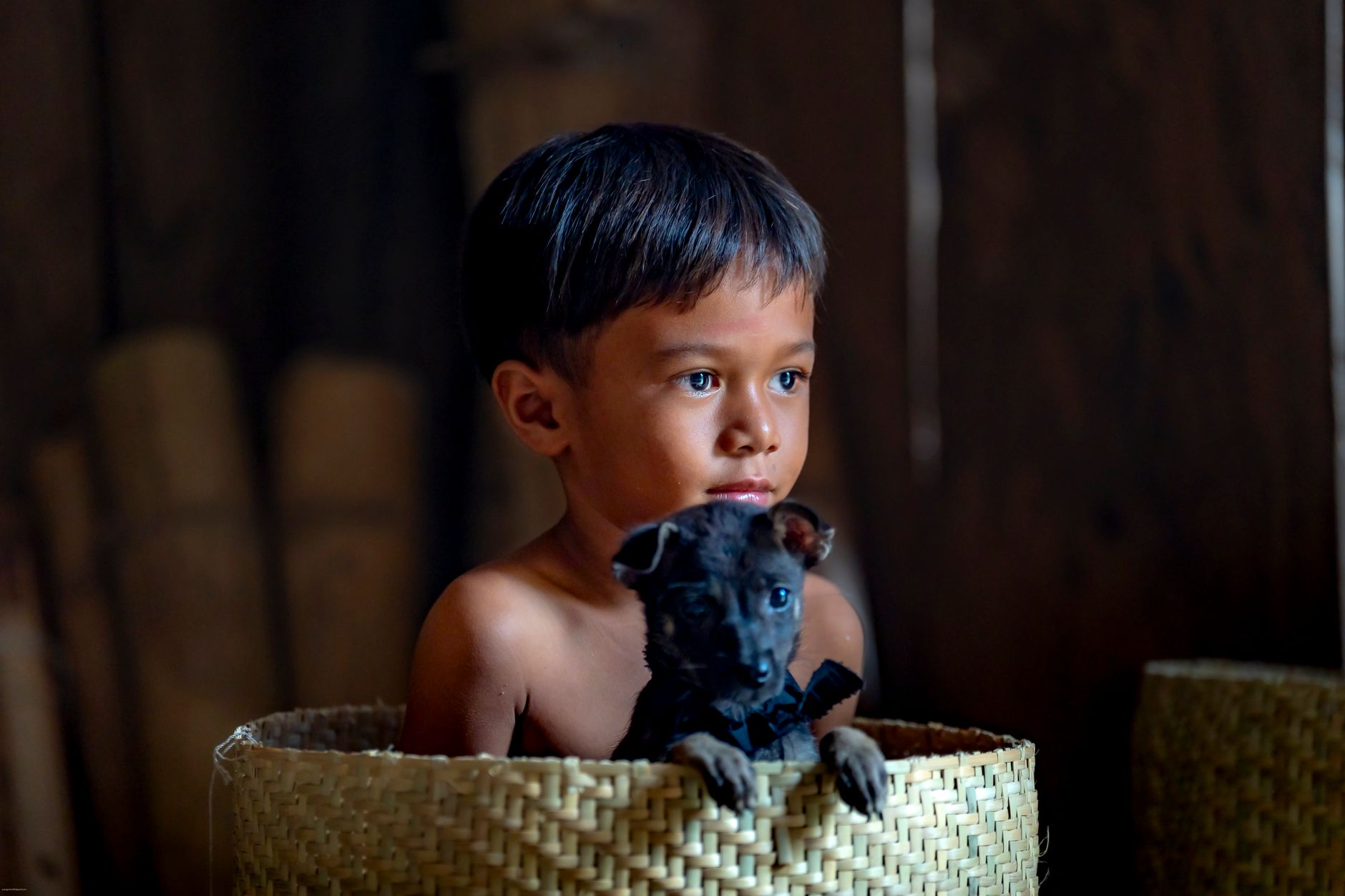
Humans and animals living together is increasingly common in urban areas. In Los Angeles, residents are finding innovative ways to coexist with local wildlife, particularly bears, fostering a harmonious environment.
Understanding Urban Wildlife
As urban areas expand, the interaction between humans and animals has become increasingly common. This phenomenon presents both challenges and opportunities for coexistence. In cities like Los Angeles, wildlife such as bears, coyotes, and raccoons are adapting to urban environments, often venturing into neighborhoods in search of food and shelter.
Understanding urban wildlife requires a shift in perspective. Rather than viewing these animals solely as pests, communities can benefit from seeing them as part of the ecosystem. This perspective fosters a sense of responsibility among residents to find ways for humans and animals living together in harmony.
There are several strategies that communities can adopt:
- Education: Informing residents about local wildlife behaviors and needs can reduce conflicts.
- Habitat Preservation: Ensuring green spaces are maintained can provide safe havens for animals.
- Safe Practices: Encouraging responsible waste disposal can minimize attractants for wildlife.
Ultimately, embracing urban wildlife can enrich city life, leading to a more sustainable and harmonious coexistence.
Challenges of Coexistence
As urban environments expand, the challenges of coexistence between humans and animals become increasingly evident. While many people appreciate the presence of wildlife, there are significant hurdles to maintaining harmony.
- Human-Wildlife Conflicts: Encounters between residents and animals can lead to dangerous situations, particularly with larger species like bears and coyotes. These incidents often result in property damage or personal injury.
- Habitat Loss: Urban development encroaches on natural habitats, forcing animals into closer proximity with humans. This can disrupt local ecosystems and lead to a decline in biodiversity.
- Health Risks: The spread of diseases such as rabies and hantavirus raises concerns for public health as humans and animals share the same spaces.
- Resource Competition: Animals often seek food in urban areas, which leads to competition with humans for resources, leading to frustration and negative interactions.
Despite these challenges, many communities strive to find solutions that allow humans and animals living together to thrive, fostering a greater understanding of urban wildlife and its role in our environments.
Humans and Animals Living Together: Success Stories
Across various cities, there are inspiring examples of humans and animals living together harmoniously. In Los Angeles, residents have embraced innovative strategies to coexist with local wildlife, particularly bears. Community efforts have led to the implementation of bear-proof trash cans and educational programs that inform citizens on how to reduce human-animal conflicts.
One remarkable success story comes from a neighborhood that transformed its parks into wildlife-friendly spaces. By planting native vegetation and creating safe passages for animals, they have seen an increase in both biodiversity and community engagement. Residents report feeling more connected to nature, resulting in a greater appreciation for local wildlife.
Furthermore, cities like Vancouver have initiated urban planning initiatives that consider the needs of both people and animals. These efforts have not only improved the quality of life for residents but have also enhanced habitats for various species.
As these success stories demonstrate, fostering environments where humans and animals can thrive together is not only possible but also beneficial for everyone involved.
Community Initiatives for Wildlife
In recent years, community initiatives have emerged to promote harmony between humans and animals living together. These programs emphasize education, conservation, and proactive measures to reduce conflicts. Local governments and wildlife organizations have joined forces to create awareness about urban wildlife and its importance in maintaining ecological balance.
One notable initiative is the establishment of wildlife corridors that allow animals to traverse urban landscapes safely. These corridors not only protect animal habitats but also educate residents on the behaviors and needs of local wildlife. Additionally, community workshops provide practical advice on how to coexist peacefully with animals.
- Neighborhood watch programs: Residents are encouraged to report sightings of local wildlife to monitor population changes.
- Native gardening: Planting native flora attracts beneficial insects and provides food for local species.
- Wildlife-friendly practices: Guidelines for securing trash and pet food help minimize human-animal conflicts.
These community efforts foster a sense of stewardship, encouraging residents to appreciate their wild neighbors while ensuring a balanced coexistence.
Future of Urban Wildlife Management
The future of urban wildlife management is increasingly centered on the concept of humans and animals living together in harmony. As cities expand, innovative strategies are essential to ensure that both wildlife and human populations can coexist without conflict.
One promising approach is the development of wildlife corridors, which allow animals safe passage through urban areas. This not only supports biodiversity but also fosters a sense of community responsibility toward local wildlife. Cities like Los Angeles are pioneering these efforts, creating green spaces that serve as habitats for various species.
Education plays a crucial role in this management strategy. By informing residents about the benefits of coexistence and the importance of respecting wildlife, communities can reduce misunderstandings and promote safer interactions. Workshops and outreach programs are being implemented to encourage responsible behavior around urban animals.
Furthermore, the collaboration between city planners, environmentalists, and residents is vital in shaping policies that prioritize coexistence. As urban landscapes continue to evolve, embracing the idea of humans and animals living together will be key to sustainable city life.
Many experts argue that humans and animals living together can foster a greater understanding and appreciation of different species. Additionally, the dynamics of humans and animals living together can lead to enhanced emotional well-being for both parties.
Photo by Quang Nguyen Vinh on Pexels



One thought on “Humans and animals living together: Is it the best approach?”