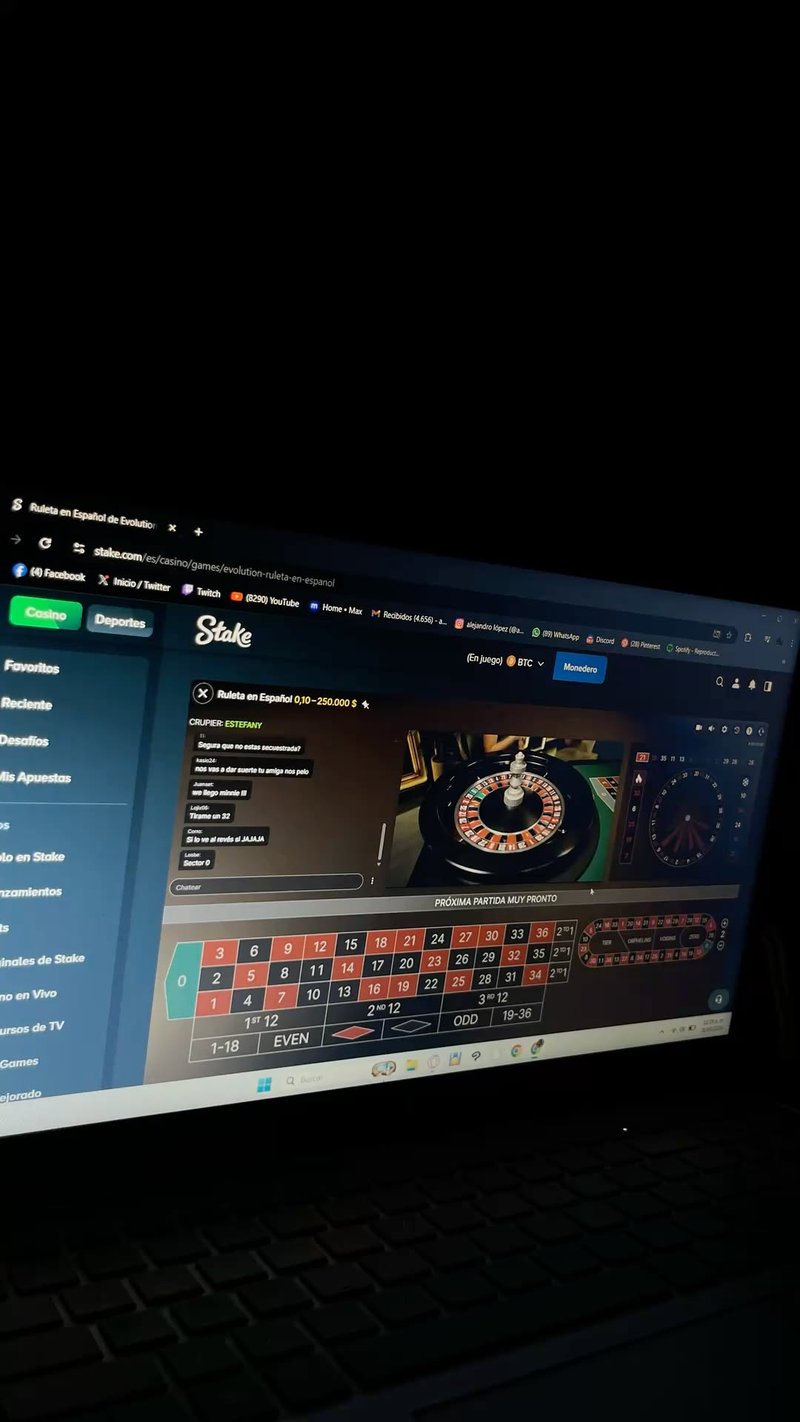
When I first pulled my phone out of my pocket in 2017, I didn’t realise that a few app downloads would rewrite the way I spent my evenings. Fast forward to 2024, and the average Brit spends more than 90 minutes a day on mobile games, according to a recent UK Digital Market study. That shift is not just a pastime; it’s reshaping retail, advertising, and even social interaction across the country.
From Casual to Competitive: The Rise of eSports on the Go
In the past, competitive gaming required a rigged PC or a console. Today, titles like Clash Royale and Call of Duty: Mobile bring a full‑blown arena to the palm of your hand. The UK’s eSports scene now hosts tournaments that pay out £10,000 for the top spot, with prize pools growing by 12% year over year. For many players, the barrier to entry has dropped from a $300 console to a free download and a modest data plan. This democratisation means that a teenager in Birmingham can now compete against a pro in Manchester, all without leaving their bedroom.
Monetisation Models That Reach Every Wallet
Free‑to‑play games have introduced micro‑transactions that average £4.50 per player per month in the UK. That figure is higher than the global average of £3.20, showing how engaged UK audiences are. The key to this success lies in tiered content: basic gameplay is free, but premium skins, battle passes, and seasonal passes cost between £2 and £15. Players who spend more than £30 a month often report feeling a stronger sense of community, as they gain exclusive access to in‑game events and leaderboards.
Advertising and Brand Partnerships on Mobile
Brands are no longer waiting for a TV slot; they’re placing ads inside games that people are already playing. A 2023 survey found that 65% of UK consumers noticed a branded ad in a mobile game, and 48% said it influenced their purchase decision. Companies like Nike and Samsung now sponsor in‑game challenges, offering real‑world rewards such as discounted sneakers or free trial periods. The immediacy of mobile allows advertisers to target users based on location, time of day, and even in‑game behaviour, creating a feedback loop that traditional media can’t match.

Social Connectivity Beyond the Screen
Mobile gaming has become a social hub. In 2022, the UK saw a 22% increase in players who reported making new friends through multiplayer games. Features like voice chat, clan creation, and shared leaderboards turn a solitary activity into a communal experience. This social layer extends to real‑world events; gaming festivals now include live streaming, cosplay contests, and meet‑ups that attract thousands of attendees each year.
From Arcade to App Store: The Shift in Retail Experience
Arcades that once thrived on coin‑operated machines are now offering mobile-friendly lounges where patrons can download and play on their own devices. Some venues even provide free Wi‑Fi and charging stations, turning the space into a hybrid entertainment hub. The result is a 15% rise in foot traffic for these venues during off‑peak hours, as people come to play, chat, and grab a coffee.
Bridging Digital and Physical Entertainment
Mobile gaming’s influence spills over into other entertainment sectors. For instance, a local community centre in Leeds recently launched a partnership that lets residents earn points by playing approved games, which can then be redeemed for free tickets to the theatre or the cinema. This kind of cross‑promotion is a growing trend, as more venues look to integrate digital engagement into their traditional offerings. If you’re curious about how these collaborations are reshaping local leisure, you might enjoy a visit to Lolajack, where the fusion of gaming and community events is already in full swing.
Challenges and the Road Ahead
Despite its growth, mobile gaming faces hurdles. Data privacy remains a top concern; the UK’s GDPR enforcement has led to stricter app permissions, sometimes limiting the richness of the gaming experience. Additionally, the rapid pace of updates can alienate players who prefer a more stable environment, leading to churn rates that hover around 35% for new titles. Developers must balance innovation with consistency to keep users engaged.
Conclusion: A New Era of Entertainment
Mobile gaming is no longer a niche hobby; it’s a cultural force that touches every corner of the UK’s entertainment ecosystem. From competitive eSports to brand advertising, from social connectivity to retail innovation, the impact is measurable and undeniable. As technology advances, we can expect even deeper integrations—think AR overlays in city parks or AI‑driven narratives that adapt to your mood. For anyone watching the entertainment landscape, the lesson is clear: the future is being played out on our screens, and it’s happening right now.
Frequently Asked Questions
How much time do UK users spend on mobile games daily?
The average Brit spends more than 90 minutes a day on mobile games.
What impact has mobile gaming had on retail in the UK?
Retailers now use mobile game ads and in-game purchases to drive footfall and sales.
Has mobile eSports grown in the UK?
Yes, mobile eSports have risen sharply, turning casual players into competitive participants.