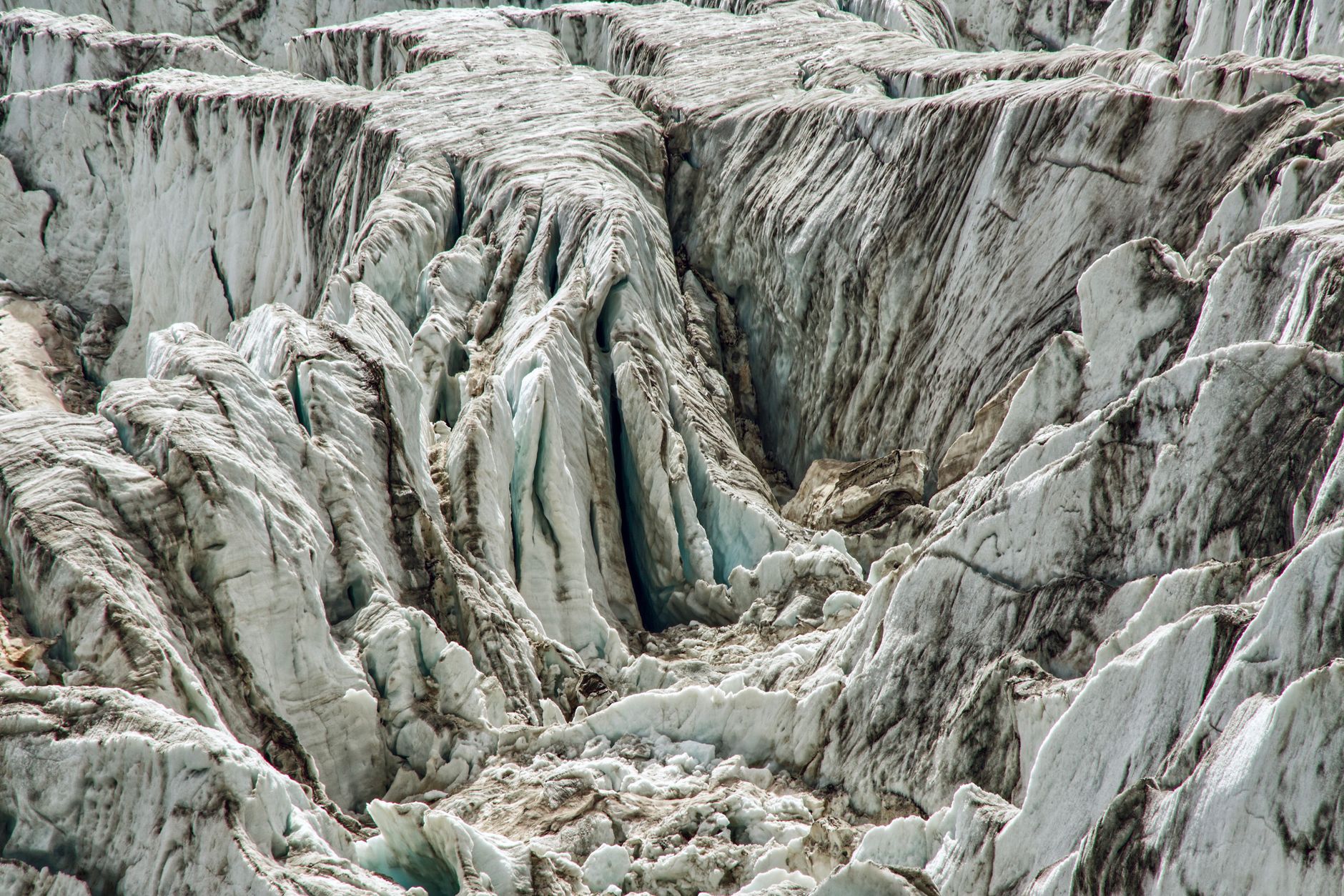
Rock glaciers are gaining attention as vital sources of freshwater. Geologists are actively hunting for these camouflaged formations to understand their impact on global water supplies.
What Are Rock Glaciers?
Rock glaciers are unique geological formations that consist of a mixture of rock debris and ice. They typically occur in mountainous regions and are often found in areas where the climate is cold enough to maintain ice within the rock mass. These formations can be seen as a hybrid between traditional glaciers and landslides, as they exhibit characteristics of both.
Geologists classify rock glaciers based on their morphology, movement, and the underlying processes that contribute to their formation. They are generally slower-moving than ice glaciers, yet they play a crucial role in the hydrological cycle by acting as a reservoir for freshwater. During warmer seasons, rock glaciers can release meltwater, which contributes to river systems and supports ecosystems dependent on these water sources.
Due to their importance in providing freshwater, researchers are increasingly focused on studying rock glaciers. Understanding their dynamics and how they respond to climate change is essential for managing water resources in regions facing water scarcity.
- Composition: Mixture of ice and rock debris
- Location: Typically found in mountainous areas
- Function: Act as freshwater reservoirs
Importance of Freshwater Sources
Freshwater sources are essential for sustaining life, supporting ecosystems, and driving economic activities. With increasing demands due to population growth and climate change, the need for reliable freshwater sources has never been more critical. In many regions, traditional water sources are becoming scarce, pushing researchers and geologists to explore alternative solutions, such as rock glaciers.
Rock glaciers, which are formations of ice and rock, act as natural reservoirs, slowly releasing water as they melt. This process can provide a steady supply of freshwater, especially in arid regions where conventional water sources are limited. The significance of rock glaciers extends beyond mere water supply; they also play a crucial role in maintaining the ecological balance of surrounding environments.
The potential of rock glaciers to serve as sustainable freshwater sources highlights the importance of understanding and preserving these unique geological formations. As the world grapples with water scarcity, exploring all possible avenues, including the utilization of rock glaciers, becomes vital for ensuring access to clean water for future generations.
How Geologists Study Rock Glaciers
Geologists employ a variety of techniques to study rock glaciers and their role in freshwater supply. One common method is remote sensing, which involves analyzing satellite images to identify the unique features of these formations. By examining the texture and shape of the terrain, scientists can pinpoint areas where rock glaciers are present.
Another technique is field surveys, where geologists physically visit sites to collect data on ice content, temperature, and surrounding geology. This hands-on approach allows researchers to measure the movement of rock glaciers over time, which is crucial for understanding their dynamics and potential impact on water resources.
Additionally, geophysical methods such as ground-penetrating radar can be utilized to map the internal structure of rock glaciers. These methods reveal the depth and distribution of ice within the glacier, offering insights into how these formations affect local hydrology.
By combining these techniques, geologists can gain a comprehensive understanding of rock glaciers, helping to assess their importance in addressing global freshwater needs.
Impact of Climate Change on Glaciers
Climate change poses a significant threat to the world’s glaciers, impacting their stability and the freshwater they provide. As global temperatures rise, many traditional glaciers are retreating at alarming rates, leading to a decrease in freshwater availability. This shift not only affects ecosystems but also human populations that rely on glacial meltwater for drinking and irrigation.
Rock glaciers, which consist of a mixture of ice and rock debris, may offer a unique solution in this changing environment. Unlike conventional glaciers, rock glaciers are better insulated from temperature fluctuations due to their rocky cover, allowing them to retain ice for longer periods. This characteristic makes rock glaciers increasingly important as a potential freshwater resource in regions where traditional glaciers are vanishing.
However, the impact of climate change on rock glaciers is still not fully understood. Research suggests that while they may be more resilient, they are not immune to the effects of warming temperatures. As geologists continue to study these formations, understanding their dynamics will be crucial for predicting their role in future freshwater supplies.
Future of Global Water Supplies
The future of global water supplies is increasingly uncertain, with climate change posing significant threats to traditional freshwater sources. As temperatures rise and precipitation patterns shift, conventional glaciers are retreating, leading to concerns over the availability of water for millions of people. In this context, rock glaciers may play a crucial role in ensuring a sustainable freshwater supply.
Rock glaciers, composed of a mix of rock debris and ice, store water in a manner that is less susceptible to rapid melting compared to their conventional counterparts. As they release water slowly over time, they provide a steady flow that can be essential for communities relying on glacial melt for irrigation and drinking water.
Geologists are increasingly focusing on these unique formations, conducting studies to identify and map rock glaciers in various regions. Their findings could help prioritize conservation efforts and inform water management strategies. The potential of rock glaciers to buffer the impacts of climate change on freshwater availability makes them a significant area of research for future water security initiatives.
The Science Behind Rock Glaciers
Rock glaciers are fascinating geological formations that play a crucial role in the hydrological cycle. Comprised of a mixture of ice, rock, and sediment, these structures store significant amounts of freshwater in a frozen state. As temperatures rise due to climate change, understanding the dynamics of rock glaciers becomes increasingly important.
Geologists study these formations to assess their stability and potential contribution to water supplies. The melting of rock glaciers can release water during dry seasons, providing essential resources for ecosystems and human consumption. The unique combination of the rock and ice layers influences how quickly and efficiently water is released into the environment.
Research indicates that rock glaciers behave differently compared to traditional glaciers. Their melting patterns are often less predictable, making it vital for scientists to utilize advanced techniques such as remote sensing and ground-penetrating radar. By closely monitoring these formations, geologists aim to better understand their role in freshwater availability, ensuring that communities can plan for future water needs amidst changing climate conditions.
- Storage of freshwater: Rock glaciers serve as natural reservoirs.
- Climate impact: Melting patterns vary significantly.
- Research techniques: Remote sensing provides crucial data.
Challenges in Identifying Rock Glaciers
Identifying rock glaciers presents several challenges for geologists and researchers. One of the primary difficulties lies in their camouflaged nature, as these formations often blend seamlessly with the surrounding landscape. This makes them hard to distinguish from other geological features, especially in areas with complex topography.
Moreover, rock glaciers can vary significantly in size, shape, and composition, further complicating identification efforts. The variability arises from factors such as local climate, geological conditions, and the specific processes that formed them. As a result, researchers often rely on advanced technologies and methods, including remote sensing and aerial photography, to accurately locate and study these vital freshwater sources.
Another challenge is the lack of comprehensive data on rock glaciers across different regions. Many areas remain under-researched, leaving gaps in our understanding of their distribution and potential impact on global water supplies. As climate change continues to alter landscapes, the urgency to identify and monitor rock glaciers becomes even more critical to ensure sustainable freshwater access for future generations.
Conservation Efforts for Freshwater Resources
As the demand for freshwater resources increases globally, conservation efforts have become essential in ensuring sustainable access to clean water. Rock glaciers, often overlooked in discussions about water sources, play a crucial role in this context. These unique formations store and slowly release water, contributing significantly to river systems, particularly in arid regions.
Several initiatives are underway to enhance the understanding and preservation of rock glaciers. Key efforts include:
- Research Funding: Increased financial support for studies focused on rock glaciers helps scientists uncover their potential as a freshwater source.
- Public Awareness Campaigns: Educating communities about the benefits of rock glaciers fosters greater appreciation and encourages protective measures.
- Collaboration with Local Governments: Partnerships facilitate the development of policies that prioritize the conservation of these vital geological features.
- Monitoring Programs: Continuous observation of rock glaciers aids in assessing their health and understanding their responses to climate change.
By recognizing rock glaciers as a valuable asset in freshwater conservation, stakeholders can better manage water supplies and ensure a sustainable future for communities reliant on these resources.
Photo by Susanne Jutzeler, suju-foto on Pexels
One thought on “Are Rock Glaciers the Best Solution for Freshwater Needs?”