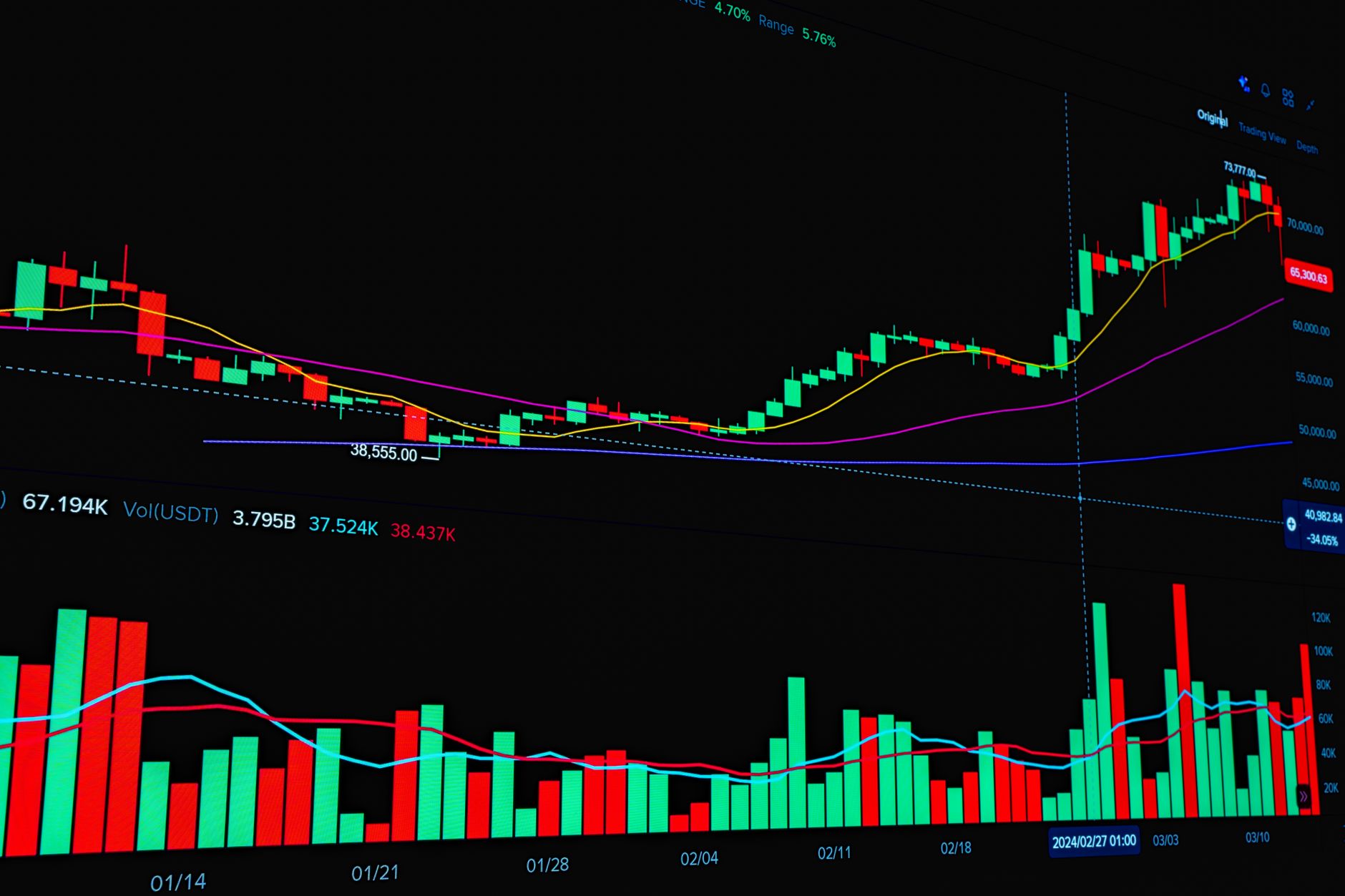
Stocks fall yields rise as investors respond to increasing bond yields, leading to a retreat in the Nasdaq from its record highs. This shift raises concerns about market stability and future growth prospects.
Understanding the Current Market Dynamics
The financial landscape has been significantly affected as stocks fall and yields rise, creating a ripple effect across the market. Investors are increasingly concerned about the implications of higher yields on future corporate earnings and economic growth. This shift in dynamics is driven by several factors:
- Federal Reserve Policies: The central bank’s decisions regarding interest rates have a direct impact on bond yields, influencing stock market performance.
- Inflation Concerns: Persistent inflation has led to expectations of tighter monetary policy, pushing yields higher and causing stocks to retreat.
- Investor Sentiment: As yields rise, many investors are reevaluating their risk appetite, leading to a sell-off in equities.
Understanding these market dynamics is crucial for navigating the current investment landscape as stocks fall amid rising yields.
How Rising Yields Affect Stocks
The relationship between rising yields and stock prices is a critical aspect of market dynamics. When yields on government bonds increase, investors often shift their focus from equities to fixed-income securities, leading to a decreased demand for stocks. This shift can trigger a sell-off, causing stocks to fall.
Several factors contribute to this trend:
- Higher borrowing costs: Rising yields typically indicate increased interest rates, which can lead to higher borrowing costs for companies.
- Investment attractiveness: As yields rise, bonds become more attractive compared to stocks, prompting a reallocation of capital.
- Economic outlook: Higher yields may reflect expectations of inflation or stronger economic growth, which can have mixed effects on various sectors.
Ultimately, the current trend of stocks fall as yields rise highlights the intricate balance between fixed-income and equity markets, influencing investor sentiment and market performance.
Nasdaq Performance Analysis
The Nasdaq composite experienced a significant downturn as investors reacted to the rising yields. As stocks fall, the correlation between interest rates and equity performance becomes increasingly evident. The tech-heavy index, which often relies on low borrowing costs for growth, faced pressure due to the higher yield environment.
Key factors contributing to the Nasdaq’s performance include:
- Market Sentiment: Investor anxiety over future rate hikes has led to a cautious approach in technology stocks.
- Valuation Concerns: As yields rise, the present value of future earnings diminishes, impacting valuations in growth sectors.
- Sector Rotation: Investors are increasingly shifting capital towards sectors that benefit from higher interest rates, further affecting tech stocks.
In this context, the Nasdaq’s retreat from record highs illustrates the challenges posed by the current economic climate, highlighting how stocks fall as yields rise.
Investor Reactions to Market Changes
Investors are responding with caution as stocks fall and yields rise, reflecting growing concerns over inflation and interest rates. Many are reassessing their portfolios, particularly in sectors sensitive to borrowing costs. Financial analysts highlight that this shift in the market is prompting a flight to safety, with investors gravitating towards bonds and stable assets.
Some key reactions include:
- Increased demand for government bonds: As yields climb, bonds become more attractive, leading to a decline in stock prices.
- Sector rotation: Investors are moving funds away from growth stocks, which are often more vulnerable to rising yields.
- Heightened volatility: The uncertainty surrounding economic indicators has resulted in erratic market movements, compounding investor anxiety.
Overall, the interplay between falling stocks and rising yields is reshaping investment strategies across the board.
Future Outlook for Stock Prices
As investors navigate the current landscape, the future outlook for stock prices remains uncertain. The recent trend of stocks falling as yields rise has raised concerns about potential long-term effects on the market. Analysts suggest that if yields continue to increase, equities may face further pressure, making it vital for investors to reassess their strategies.
Several key factors could influence stock performance in the coming months:
- Interest Rate Policy: Central banks may adjust monetary policy in response to rising yields.
- Economic Growth: Strong economic indicators could support stock prices despite higher yields.
- Sector Rotation: Investors may shift focus to sectors less affected by rising interest rates.
Ultimately, the interplay between stocks and yields will be crucial in determining future market dynamics.
Key Factors Influencing Bond Yields
The recent decline in stocks can be attributed to several key factors influencing bond yields. As investors adjust their expectations regarding future interest rates, the demand for bonds fluctuates, leading to increased yields. This is primarily driven by:
- Economic Indicators: Strong economic data often prompts the Federal Reserve to consider interest rate hikes, which in turn elevates bond yields.
- Inflation Concerns: Rising inflation rates erode the purchasing power of fixed income, forcing yields higher as investors seek better returns.
- Global Events: Geopolitical tensions or significant policy changes can impact investor sentiment, contributing to volatility in bond markets.
- Market Sentiment: A shift in investor sentiment can lead to a sell-off in stocks, further exacerbating the situation as stocks fall and yields rise.
Understanding these factors is crucial for navigating the current market landscape.
Expert Opinions on Market Trends
Market analysts are closely watching the recent trend where stocks fall as yields rise, expressing concern over the implications for both short- and long-term investments. Many experts believe that the increase in bond yields signals a shift in investor sentiment, with some suggesting that this could lead to more volatility in equity markets.
According to financial strategist Emily Chen, “The relationship between rising yields and falling stock prices is becoming increasingly evident. Investors are reassessing their portfolios, leading to a cautious outlook.”
Economist Mark Rivera adds, “As yields continue to climb, we may see a more pronounced impact on growth stocks, which are often more sensitive to changes in interest rates.”
In light of these developments, experts recommend that investors stay informed and consider diversifying their holdings to mitigate risks associated with the current environment.
As investors brace for the implications of increased borrowing costs, it becomes clear that stocks fall yields rise, leading to heightened market volatility. This dynamic creates a challenging environment for both equity and fixed-income investors alike.
Photo by Rafael Minguet Delgado on Pexels
Where this came from
Related reading
TN Seshan News: The Real Story Behind His Legacy · Rings around Chariklo: Clear Discovery Revealed by Webb · North Korean defector shares honest response to oppression

One thought on “Stocks Fall: The Worst Impact of Rising Yields Explained”