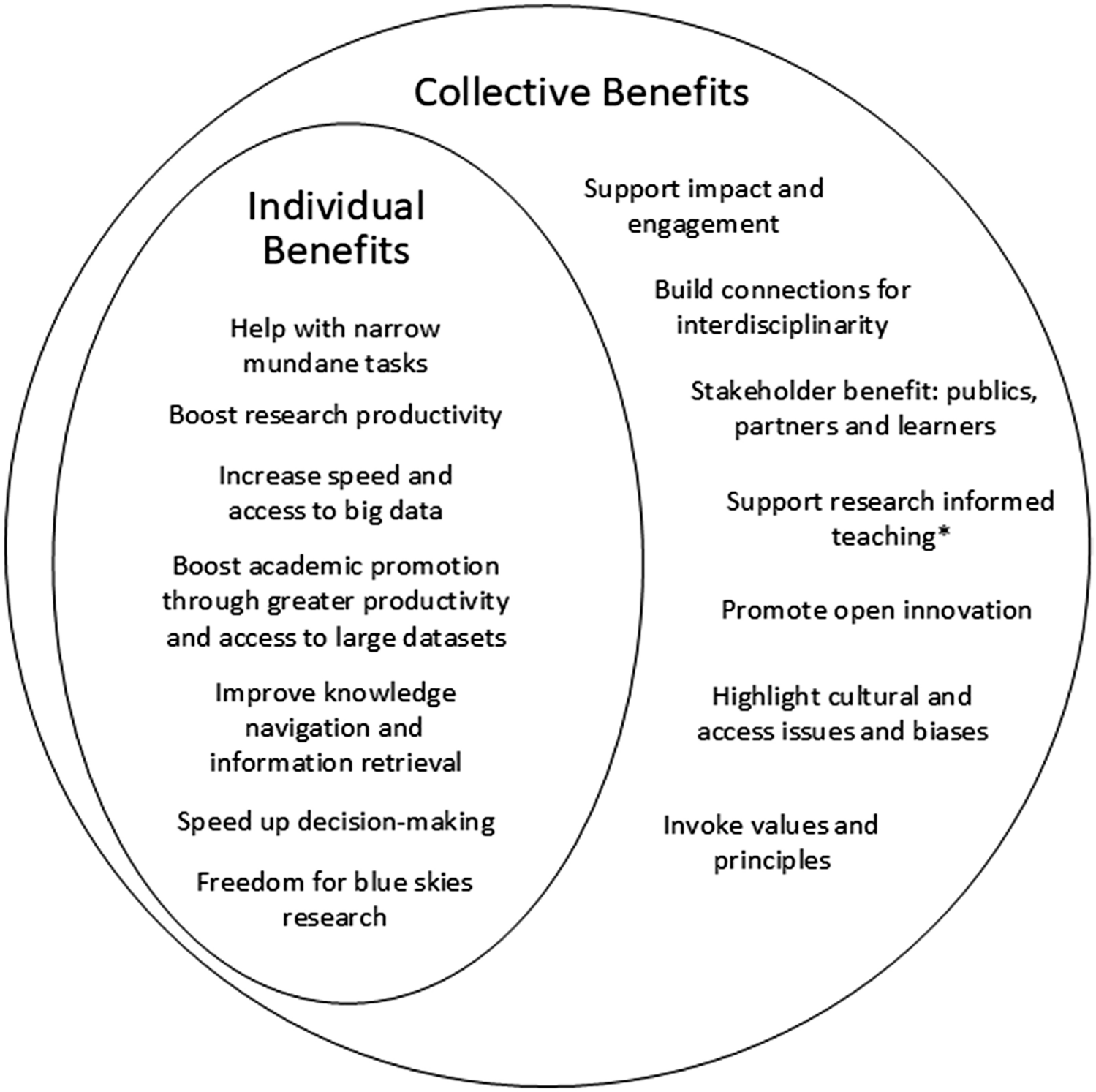
Benefits of AI are becoming increasingly important as experts like Sam Altman highlight the need to accept challenges for progress.
Understanding the Benefits of AI
As artificial intelligence (AI) continues to evolve, understanding the benefits of AI becomes increasingly crucial for businesses and individuals alike. Embracing AI technology can lead to significant improvements across various domains.
- Enhanced Efficiency: AI systems can automate repetitive tasks, allowing human workers to focus on more complex and creative endeavors.
- Improved Decision-Making: With advanced data analysis capabilities, AI can provide insights that help in making informed decisions swiftly.
- Personalization: Businesses can leverage AI algorithms to tailor services and products to meet individual customer needs, enhancing user experience.
- Cost Reduction: By streamlining operations and optimizing resource allocation, AI can lead to substantial cost savings.
Despite some concerns about the challenges posed by AI, such as job displacement and ethical dilemmas, the potential benefits of AI far outweigh the risks when managed thoughtfully. Embracing this transformative technology can pave the way for a more innovative and efficient future.
Challenges of Embracing AI
As organizations begin to recognize the benefits of AI, they also face significant challenges in its adoption. These hurdles can deter companies from fully embracing transformative technologies. One major challenge is the integration of new systems into existing workflows. Many organizations struggle with understanding how to effectively incorporate AI tools without disrupting current operations.
Furthermore, there is a pervasive fear surrounding job displacement. Employees may worry that AI will replace their roles, leading to resistance against adopting these innovations. To mitigate this, companies must communicate the positive aspects of AI, emphasizing how it can enhance productivity rather than eliminate jobs.
Another challenge lies in data privacy and security. With AI systems relying heavily on data, ensuring that sensitive information is protected is crucial. Organizations must navigate complex regulations and ethical considerations to build trust among customers and employees.
In summary, while the benefits of AI are clear, addressing these challenges is essential for a smooth transition and successful implementation.
Sam Altman’s Perspective on AI
Sam Altman, the CEO of OpenAI, emphasizes a balanced view on the benefits of AI, acknowledging that embracing this technology comes with its own set of challenges. In a recent statement, he remarked that while the advantages are significant, it is essential to accept that there will be “bad things” that accompany the rapid advancements in artificial intelligence.
Altman encourages a proactive approach, suggesting that society must prepare for potential downsides while reaping the rewards that AI offers. He believes that the key to harnessing the full potential of AI lies in responsible management and ethical considerations. This perspective invites individuals and organizations to engage in open conversations about the risks and rewards, fostering a culture of transparency.
He outlines several benefits of AI that include:
- Increased efficiency in various industries
- Enhanced decision-making capabilities
- Innovative solutions to complex problems
- Improved quality of life through automation
By focusing on both the positive and negative aspects, Altman advocates for a balanced and informed approach to the future of AI.
The Future of Artificial Intelligence
The future of artificial intelligence is a topic of great interest and debate. As technology continues to advance, the benefits of AI become increasingly apparent. Society stands on the brink of a revolution that promises to transform industries and enhance daily life.
One significant advantage of AI is its ability to analyze vast amounts of data quickly and accurately. This capability can lead to improved decision-making in various sectors, including healthcare, finance, and transportation. Moreover, AI-powered tools can automate repetitive tasks, allowing human workers to focus on more creative and strategic endeavors.
However, embracing these advancements comes with challenges. As Sam Altman remarked, acknowledging the potential downsides is crucial to reaping the benefits of AI. This balanced perspective encourages stakeholders to engage in responsible development and implementation of AI technologies.
In conclusion, the future of artificial intelligence holds immense promise. By recognizing both its advantages and potential drawbacks, society can navigate this transformative landscape effectively.
How to Navigate AI’s Impact
As organizations seek to harness the benefits of AI, it becomes essential to navigate its impact thoughtfully. Understanding how to integrate AI into existing systems while minimizing disruption is crucial for success.
One effective approach is to focus on transparent communication within teams. By openly discussing the changes AI will bring, employees can voice concerns and contribute to a smoother transition. Additionally, training programs tailored to equip staff with the necessary skills can foster confidence and adaptability.
A strategic implementation plan is also vital. Organizations should consider a phased rollout of AI technologies, allowing for adjustments based on initial feedback. This step-by-step approach can help identify potential challenges early on.
Furthermore, staying informed about the evolving landscape of AI is essential. Engaging with industry experts and participating in forums can provide valuable insights into best practices and emerging trends. Ultimately, by addressing concerns and embracing the benefits of AI, organizations can position themselves for a successful future.
Real-Life Applications of AI
Artificial Intelligence (AI) is transforming various sectors, showcasing its benefits in real-life applications. Organizations are increasingly embracing AI to enhance efficiency and drive innovation. Here are some notable examples:
- Healthcare: AI algorithms are improving diagnostic accuracy, enabling faster patient assessments, and personalizing treatment plans.
- Finance: Financial institutions are utilizing AI for fraud detection, algorithmic trading, and customer service chatbots, which streamline operations and enhance user experience.
- Transportation: AI is at the forefront of self-driving technology, optimizing traffic management systems and improving road safety.
- Retail: Businesses are leveraging AI for inventory management and personalized marketing, resulting in improved customer satisfaction and sales.
- Education: AI tools are being used to create customized learning experiences, helping educators address individual student needs.
These examples illustrate the myriad benefits of AI, highlighting its potential to drive positive change across industries while navigating the associated challenges.
By Authors of the study: Jennifer Chubb, Peter Cowling & Darren Reed via Openverse

One thought on “Benefits of AI: Proven Ways to Embrace Change Safely”