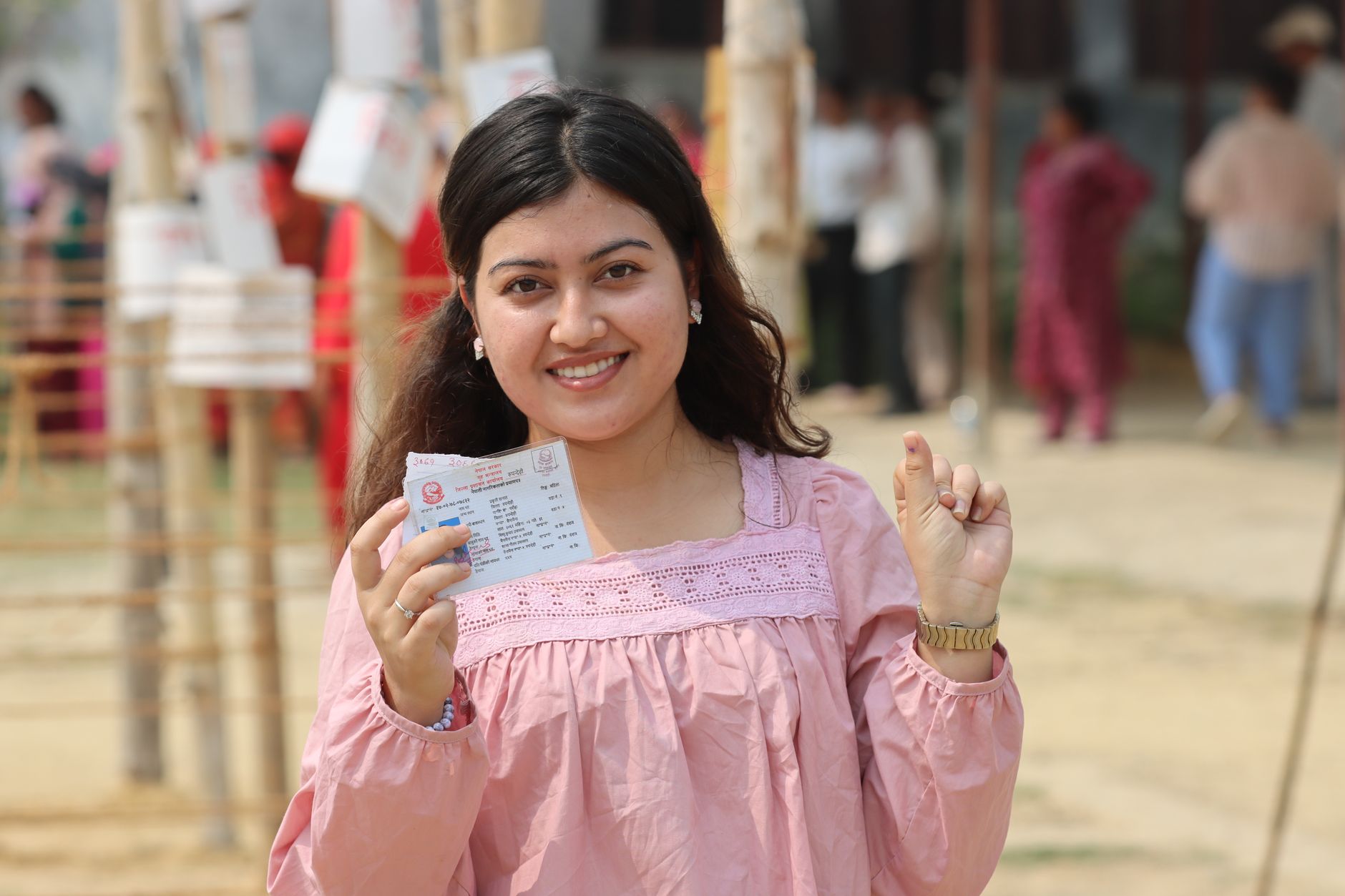
Nagaon By-Election Result showcases a remarkable victory for the BJP in 2026, especially in a Muslim-majority seat. This outcome has sparked discussions about the changing political landscape in the region.
BJP’s Victory Overview
The Nagaon By-Election Result has marked a significant milestone for the Bharatiya Janata Party (BJP) as they secured a decisive victory in a traditionally challenging constituency. This win comes as a surprise to many, particularly given the seat’s demographic profile, which is predominantly Muslim. The BJP’s triumph is being hailed as a testament to its growing acceptance among diverse voter groups.
In the aftermath of the election, Himanta Biswa Sarma, the Chief Minister of Assam, expressed his satisfaction, stating, “Diwali has come early for us this year.” This sentiment reflects the party’s enthusiasm and confidence in its expanding influence in regions previously deemed unfavorable.
The key factors contributing to the BJP’s success in this election include:
- Strategic Campaigning: The BJP employed targeted outreach efforts to connect with various community leaders and local influencers.
- Development Initiatives: A focus on infrastructure and social welfare programs resonated with voters seeking tangible improvements in their daily lives.
- Unity Among Voters: The party successfully mobilized a broad coalition of supporters, overcoming traditional voting patterns.
This victory in the Nagaon By-Election Result not only strengthens the BJP’s position in Assam but also sets a hopeful precedent for future elections across the country.
Impact on Future Elections
The recent Nagaon By-Election Result has significant implications for future elections in Assam and beyond. The Bharatiya Janata Party (BJP) has demonstrated its ability to secure a decisive win in a region traditionally dominated by other political parties, particularly in Muslim-majority areas. This victory signals a shift in voter sentiment that may affect upcoming electoral strategies.
Political analysts believe that the BJP’s success in Nagaon could influence key aspects of future campaigning, including:
- Voter Outreach: The party is likely to intensify its efforts in engaging with diverse communities, focusing on issues that resonate with local sentiments.
- Coalition Dynamics: Other parties may need to reassess their alliances and strategies to compete more effectively against the BJP’s growing influence.
- Policy Focus: The BJP might amplify its development agenda, showcasing its achievements to further solidify its appeal among undecided voters.
As the political landscape evolves, the Nagaon By-Election Result serves as a crucial indicator of the potential challenges and opportunities that lie ahead for all parties involved. With approaching elections, the BJP’s victory is likely to inspire confidence among its supporters while prompting rival factions to reevaluate their approaches in order to regain ground.
Voter Turnout Analysis
The Nagaon By-Election Result has sparked significant interest, particularly in terms of voter turnout. Analyzing the participation rates offers insights into the electorate’s engagement and the prevailing sentiments in the region.
According to the latest data, the voter turnout for this by-election was recorded at 62%, which is commendable but slightly lower than the previous election cycle. This drop can be attributed to several factors:
- Voter Fatigue: Many voters expressed fatigue due to the frequency of elections in recent years, which has led to a decline in enthusiasm.
- Weather Conditions: Unfavorable weather during the polling day impacted some voters’ ability to reach polling stations.
- Campaign Strategies: The effectiveness of campaign strategies employed by various parties played a role in mobilizing or demobilizing voters.
Despite the slight decrease, the turnout reflected a robust engagement from the electorate, particularly among the younger demographic. Many first-time voters participated, indicating a growing awareness of the political process.
In analyzing the Nagaon By-Election Result, it is essential to note how voter turnout can influence future strategies for both the BJP and opposition parties. Understanding these patterns will be crucial for upcoming elections as parties aim to enhance their outreach and engagement efforts.
Himanta Biswa Sarma’s Reaction
In the aftermath of the Nagaon By-Election Result, Assam Chief Minister Himanta Biswa Sarma expressed his satisfaction with the BJP’s performance, marking a significant victory in a traditionally challenging constituency. Celebrating the party’s success, he remarked, “Diwali has come early for us,” highlighting the symbolic nature of the win in the Muslim-majority region.
Sarma emphasized that this victory was a testament to the electorate’s faith in the BJP’s governance and policies. He stated, “The people of Nagaon have reaffirmed their trust in our vision for development and prosperity.” The Chief Minister pointed out that the win is not just a local triumph but a clear message ahead of the upcoming elections, indicating that the party’s popularity continues to grow among diverse voter bases.
Furthermore, Sarma noted that the Nagaon By-Election Result reflects the party’s commitment to inclusivity and progress. He expressed gratitude to the voters, saying, “We will work tirelessly to live up to their expectations and deliver on our promises.” The BJP’s strategy of engaging with various community leaders and addressing local issues appears to have resonated well with the constituents.
Overall, this result is expected to bolster the BJP’s position in future elections, reinforcing their narrative of effective governance and community engagement.
Political Implications for BJP
The recent Nagaon By-Election Result has significant political implications for the Bharatiya Janata Party (BJP) as it solidifies their foothold in a region traditionally viewed as challenging due to its Muslim-majority demographics. The victory not only enhances the party’s credibility but also sets a precedent for future electoral strategies in similar constituencies.
By winning this key seat, the BJP demonstrates its ability to resonate with diverse voter bases, countering narratives that suggest their policies alienate minority communities. Political analysts suggest that this win could embolden the party to focus more on outreach programs aimed at minority populations across Assam and beyond.
Furthermore, the Nagaon By-Election Result could influence the BJP’s approach in upcoming state and national elections. It reinforces the party’s narrative of governance and development, showcasing that their message can penetrate even the most resistant voter segments. The implications are vast, as the BJP may feel encouraged to replicate similar strategies in other regions facing similar demographics.
In addition, this victory may also alter the dynamics within the opposition, compelling them to reassess their strategies and alliances in a bid to reclaim lost ground. The Nagaon By-Election Result underscores the evolving political landscape in Assam, with the BJP poised to capitalize on their momentum.
Opposition’s Response
The Nagaon By-Election Result has elicited strong reactions from various opposition parties, who have expressed their concerns over the BJP’s significant win in a traditionally Muslim-majority constituency. Many political leaders have taken to social media and press conferences to voice their dissatisfaction with the election outcomes and the implications for the future political landscape.
Opposition leaders have criticized the BJP’s tactics during the campaign, alleging that the ruling party employed divisive strategies to secure votes. Rahul Sharma, a prominent member of the opposition, stated, “This victory is not a reflection of the people’s will but a result of manipulation and fear-mongering.” In a similar vein, Fatima Hussain, a regional party spokesperson, emphasized that the BJP’s approach has further alienated minority communities.
Additionally, several opposition figures have called for a thorough review of the election process, highlighting concerns about fairness and transparency. They argue that the Nagaon By-Election Result raises questions about the integrity of future electoral processes in the region.
As the opposition navigates this setback, they are likely to strategize on uniting their efforts to challenge the BJP’s dominance. Political analysts predict that the response from opposition parties will play a crucial role in shaping the dynamics of upcoming elections, as they seek to regain lost ground in constituencies like Nagaon.
Key Issues in the Campaign
The Nagaon By-Election Result has highlighted several key issues that shaped the campaign and influenced voter sentiment. As the BJP celebrated its victory, various factors emerged as critical in securing their win in this Muslim-majority seat.
- Social Welfare Programs: The BJP focused heavily on promoting social welfare initiatives aimed at improving the lives of underprivileged communities. Their messaging centered on the successful implementation of schemes that resonated with the electorate.
- Economic Development: The party emphasized its commitment to economic growth and job creation. Promises of infrastructure development and support for local businesses were pivotal in gaining voter trust.
- Communal Harmony: Addressing concerns about communal tensions, the BJP campaigned on a platform of inclusivity and unity. Efforts to engage with different community leaders were evident, aiming to present a united front.
- National Security: With ongoing discussions about national security and local law and order, the BJP positioned itself as the party that prioritizes safety and stability, appealing to voters’ concerns regarding crime and terrorism.
- Local Issues: Issues specific to Nagaon, such as unemployment and agricultural distress, were also tackled. The BJP’s promise to address these local challenges played a significant role in swaying undecided voters.
Overall, the Nagaon By-Election Result serves as a testament to how addressing these key issues can lead to electoral success.
Predictions for Next Election
As political analysts assess the recent Nagaon By-Election Result, many are already speculating about the potential outcomes for the next election cycle. The BJP’s significant victory in a traditionally challenging constituency has raised expectations and set a new benchmark for future electoral strategies.
Several factors will influence the party’s approach moving forward:
- Voter Engagement: The BJP will likely focus on maintaining and enhancing voter engagement, especially in minority communities, to replicate their success in the Nagaon By-Election Result.
- Campaign Strategy: A tailored campaign strategy that addresses local issues while highlighting national accomplishments may be pivotal in securing a favorable outcome.
- Coalition Dynamics: Depending on the opposition’s response and potential coalitions, the BJP may need to navigate a complex political landscape.
- Public Sentiment: Listening to public sentiment and addressing concerns promptly will be crucial in retaining voter loyalty.
- Policy Implementation: Effective implementation of promised policies could bolster the BJP’s image and solidify their position ahead of the next elections.
Ultimately, the BJP’s performance in the Nagaon By-Election Result serves as both a victory and a learning opportunity, influencing their roadmap for upcoming electoral challenges.
Photo by CP Khanal on Pexels
Where this came from
You might also like
Level Playing Field for Businesses: Honest Insights on Competition · Malaysia trade growth: Proven strategies for supply chain success · Trump’s PERM suspension: Is it the worst news for TCS?
One thought on “Nagaon By-Election Result: BJP’s Proven Victory in 2026”