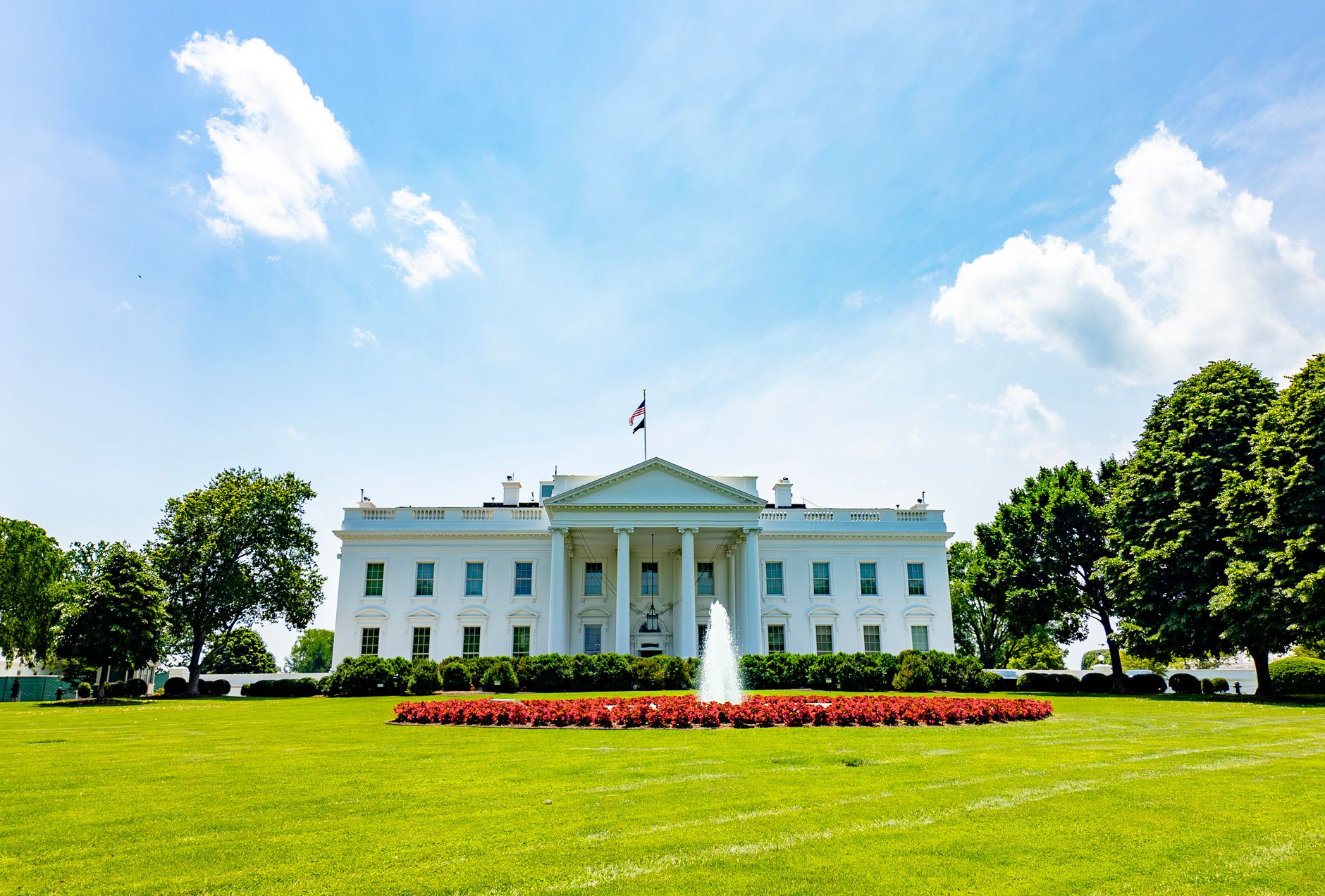
Trump cancels execution plan, sparking debate over the decision and its implications for justice. This move has drawn attention from various sectors of society.
Background on the Execution Plan
In recent developments, former President Donald Trump has made the decision to cancel the execution plan proposed by TV personality Pete Hegseth. This plan involved the live-streaming of the execution of Nidal Hasan, the Fort Hood shooter responsible for the tragic 2009 attack that resulted in the deaths of 13 individuals and injuries to many others.
This controversial execution plan raised significant ethical questions regarding the public broadcast of such a serious event. Critics argued that live-streaming an execution could desensitize viewers to violence and degrade the solemnity of the justice process. Supporters of the plan believed it could serve as a powerful deterrent against future acts of violence.
In light of these concerns, Trump’s decision to cancel the execution plan has sparked a wide array of reactions. Some view it as a necessary step toward a more humane approach to justice, while others criticize it as a missed opportunity to hold Hasan accountable in a very public manner. As the nation reflects on this decision, discussions surrounding capital punishment and its implications continue to evolve.
Ultimately, the cancellation of the execution plan opens the floor for a broader dialogue on how society addresses issues of crime and punishment.
Public Reaction to the Cancellation
The recent decision by Trump to cancel the execution plan has sparked a wide array of reactions from the public. Many individuals express relief and support for the cancellation, viewing it as a compassionate move that prioritizes humanity over punitive measures.
Supporters of Trump’s decision highlight several key points:
- Concerns about mental health: Many believe that the execution of individuals with mental health issues should be reconsidered.
- Ethical considerations: A segment of the population argues that capital punishment raises significant ethical questions.
- Public safety: Some contend that life sentences without parole serve as a more effective deterrent to crime.
Conversely, there are also voices of dissent who argue that canceling the execution plan undermines justice for victims and their families. Critics of the decision believe that it sends the wrong message about accountability and the consequences of violent actions.
As the debate unfolds, many are left wondering whether Trump’s cancellation of the execution plan is indeed the right move, reflecting the complexity of opinions surrounding capital punishment in the United States.
Legal Implications of Trump’s Decision
The recent decision by former President Donald Trump to cancel the execution plan for the Fort Hood shooter has raised significant legal implications that experts are now analyzing. This cancellation, which falls under the scrutiny of both federal and state law, may have ramifications beyond the immediate case at hand.
First, it is essential to consider the legal precedents set by Trump’s decision. Legal analysts argue that this move could affect future cases involving the death penalty and the methods employed in carrying out executions. The cancellation of such a high-profile execution plan could challenge existing protocols and lead to new legal battles surrounding the ethics of capital punishment.
Furthermore, Trump’s decision may also prompt discussions regarding the role of the executive branch in matters of judicial accountability. By intervening in this execution plan, the former president has ignited debates about the separation of powers and whether such actions are appropriate.
In addition to the immediate legal fallout, Trump’s cancellation could influence public opinion regarding the death penalty, potentially leading to legislative changes at both state and federal levels.
Hegseth’s Role in the Controversy
In the ongoing debate surrounding the cancellation of the execution plan, Fox News commentator Pete Hegseth has emerged as a prominent figure. Hegseth was initially involved in a controversial initiative to live-stream the execution of the Fort Hood shooter, a proposal that sparked significant backlash from both legal experts and the general public.
Critics argue that Hegseth’s plan raised ethical concerns about the transparency of the judicial process and the potential for sensationalism in capital punishment cases. The live-streaming concept was seen by many as a misguided attempt to garner attention rather than ensure justice. This sentiment only intensified following Trump’s decision to cancel the execution plan altogether.
Supporters of the cancellation believe that Trump’s move reflects a growing awareness of the complexities surrounding the death penalty. They argue that the decision to abandon Hegseth’s controversial live-streaming idea aligns with a more compassionate approach to the justice system.
As the nation grapples with the implications of Trump’s cancellation, Hegseth’s role in this controversy remains a focal point in discussions about the future of capital punishment in America.
Comparisons to Other High-Profile Cases
The decision by former President Trump to cancel the execution plan has drawn comparisons to other high-profile cases that have sparked national debate. In each instance, the legal and ethical implications surrounding capital punishment have taken center stage.
One notable case is that of Timothy McVeigh, the Oklahoma City bomber, whose execution in 2001 was met with widespread media coverage and public outcry. Many argued that the execution was a necessary justice for the victims, while others questioned the morality of capital punishment itself. Similarly, Trump’s cancellation of the execution plan has reignited discussions about the effectiveness and humanity of the death penalty.
Another case frequently referenced is that of Gary Ridgway, the Green River Killer, who ultimately accepted a plea deal in exchange for avoiding the death penalty. This case highlights the complexities involved when dealing with notorious criminals and the choices that legal systems must navigate.
As society grapples with the implications of Trump’s decision to cancel the execution plan, the conversations surrounding other high-profile cases reflect a broader struggle to reconcile justice with ethical considerations in capital punishment.
Expert Opinions on the Matter
As the news of Trump cancels execution plan spreads, experts from various fields have weighed in on the implications of this decision. Many legal analysts argue that the cancellation raises important questions about the role of the executive branch in capital punishment cases.
According to Dr. Linda Martinez, a political scientist at the University of Texas, “This move could reflect a shift in public sentiment regarding the death penalty. It shows that leaders are starting to listen to the concerns of the populace.”
On the other hand, Professor James O’Reilly, a criminal law expert, noted that “The decision could potentially set a precedent for future administrations. If Trump can cancel an execution, what does that mean for the consistency of capital punishment in the U.S.?”
Additionally, Sarah Thompson, a human rights advocate, emphasized the moral implications: “This cancellation may be a step towards a more humane approach to justice. We must consider the ethical ramifications of execution as a form of punishment.”
Overall, the cancellation has sparked a wide array of opinions, indicating a growing debate on the future of capital punishment in America.
Future of Execution Procedures in the U.S.
The cancellation of the execution plan by Trump has raised significant questions about the future of execution procedures in the U.S. As states grapple with the complexities of capital punishment, many are re-evaluating their methods and protocols. The move to halt the live-streaming of the Fort Hood shooter’s execution, a controversial proposal championed by Hegseth, indicates a shift in public sentiment and political strategy surrounding such high-stakes decisions.
Several key factors could shape the future of execution procedures:
- Public Sentiment: Growing opposition to the death penalty among various communities may lead states to reconsider their execution methods.
- Legal Challenges: Ongoing legal battles surrounding execution protocols could prompt revisions to ensure compliance with constitutional standards.
- Technology and Transparency: The debate over transparency in executions, as highlighted by the canceled live-streaming plan, could influence how states communicate and implement their execution procedures.
- Political Climate: Leaders’ positions on capital punishment may shift with changing administrations, directly impacting execution policies.
As the national conversation evolves, the future of execution procedures in the U.S. remains uncertain, particularly in light of Trump’s recent cancellation of the execution plan.
In a surprising turn of events, Trump cancels execution plan, leaving many to question the implications of this decision. Critics argue that Trump cancels execution plan without considering the potential consequences on public safety and justice reform.
Photo by Ramaz Bluashvili on Pexels


One thought on “Trump Cancels Execution Plan: Is This the Right Move?”