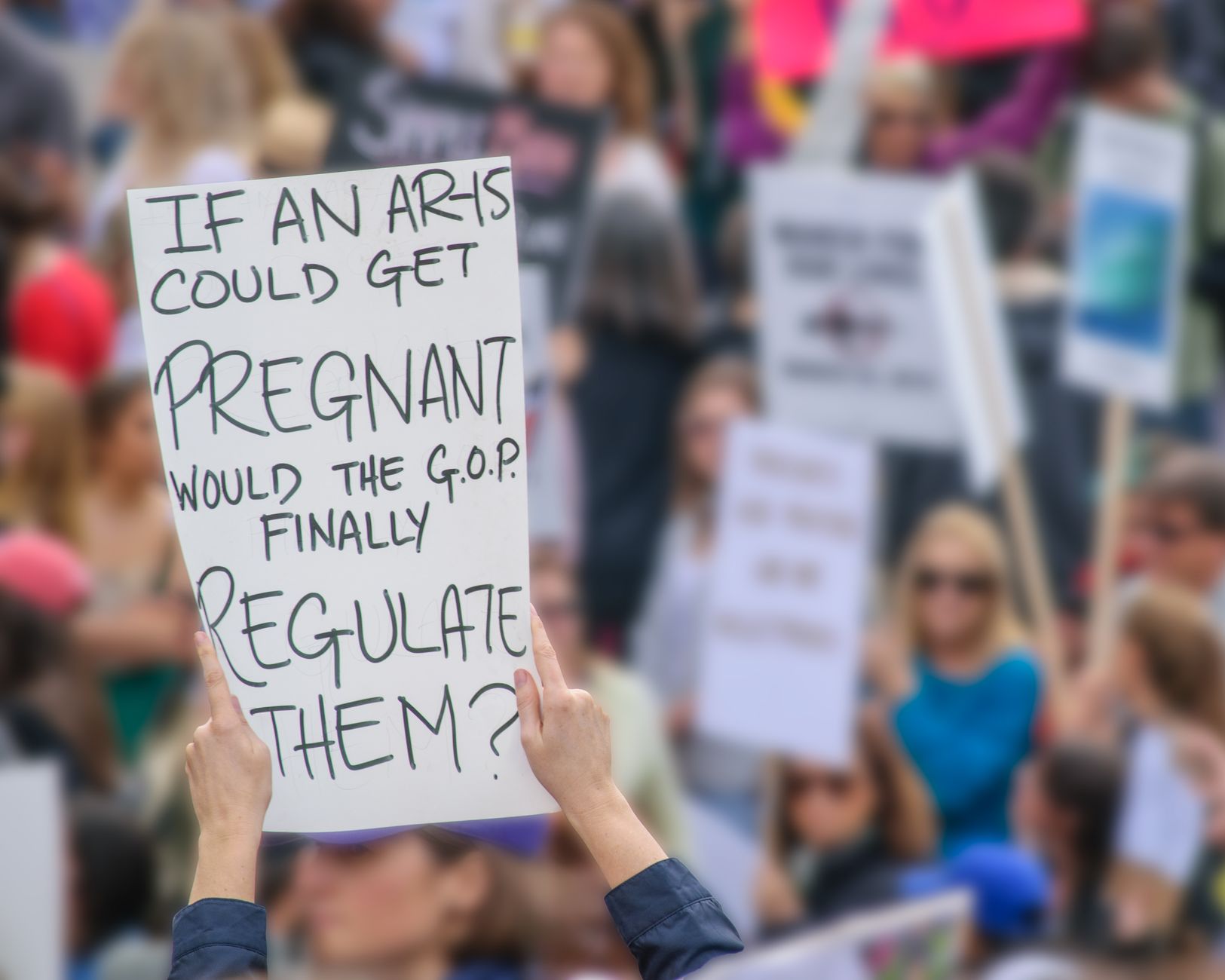
Republican strategists panic as they face increasing challenges in the political landscape. The party’s internal divisions and shifting voter sentiments are causing alarm among key players.
Understanding the panic among Republican strategists
In recent weeks, a growing sense of unease has emerged among Republican strategists, prompting many to panic over the party’s future direction. This shift in sentiment can be attributed to several key factors impacting the political landscape.
- Electoral Challenges: Upcoming elections are raising alarms, as polling data suggests potential vulnerabilities in traditionally Republican strongholds.
- Internal Divisions: The party is struggling with ideological splits, making it difficult to present a unified front to voters.
- Voter Sentiment: A noticeable shift in voter priorities is leaving strategists scrambling to adapt their messaging.
- Influence of External Factors: The impact of national issues, such as the economy and social justice movements, is compounding fears of a less favorable election cycle.
As Republican strategists panic, there is a growing recognition that addressing these challenges will require innovative approaches and a re-evaluation of current strategies. The urgency to reassess their path is evident, as failure to do so may lead to significant setbacks in the coming months.
Key factors driving Republican concerns
As the political landscape shifts, several key factors are driving Republican concerns and contributing to the growing sense of panic among Republican strategists.
- Polling Data: Recent polls show a troubling decline in support for Republican candidates, raising alarms within the party about their electoral viability.
- Voter Engagement: A noticeable drop in voter enthusiasm has been reported, particularly among key demographics that traditionally lean Republican. This disengagement poses a serious threat to upcoming elections.
- Internal Divisions: Rising factions within the party are causing significant fragmentation, making it difficult for strategists to present a unified front and effectively communicate their message.
- Policy Missteps: Controversial decisions and statements from prominent party figures have alienated moderate voters, further complicating the Republican narrative.
- Competition from Democrats: Enhanced organization and messaging from Democratic opponents have put additional pressure on Republican candidates, prompting strategists to reassess their strategies.
These factors collectively contribute to the atmosphere of uncertainty, leaving Republican strategists in a state of panic as they navigate the challenges ahead.
Implications for the 2024 elections
The recent turmoil among Republican strategists has significant implications for the 2024 elections. As anxiety grows within party ranks, several consequences may unfold in the coming months.
- Candidate Selection: The panic may lead to a rushed vetting process for candidates, as party leaders scramble to identify a unifying figure who can galvanize support and appeal to a broad voter base.
- Voter Engagement: Declining confidence among strategists could hinder efforts to mobilize voters. A disorganized approach may alienate key demographics that are crucial for winning swing states.
- Fundraising Challenges: With uncertainty looming, potential donors might hesitate to invest in candidates or initiatives, impacting campaign budgets and resources.
- Policy Direction: The panic may force the party to reevaluate its platform, potentially leading to shifts in policy that could either attract or repel voters.
In this climate of uncertainty, Republican strategists must navigate these challenges carefully. The stakes are high, and their ability to adapt will be critical in determining the party’s success in the approaching election cycle.
What this means for party unity
The recent turmoil among Republican strategists has raised significant concerns about party unity as the 2024 elections approach. With increasing signs of panic, it is clear that internal divisions could severely impact the party’s overall strength. This disarray is evident in several key areas:
- Candidate Cohesion: The lack of a unified front among potential candidates may lead to fragmentation, making it difficult to rally support from the base.
- Policy Disagreements: Ongoing debates over core issues are creating rifts within the party, as factions emerge with differing priorities and strategies.
- Voter Engagement: If party leaders cannot present a cohesive message, they may struggle to energize their voters, who are crucial for turnout in the elections.
As Republican strategists panic, the urgency to restore unity becomes paramount. The party’s ability to address these internal conflicts will be essential in determining its success in the upcoming election cycle. Failure to unify could lead to significant losses at both local and national levels, further complicating the party’s future.
As election season approaches, Republican strategists panic over dwindling voter support and internal divisions. This unrest signals a clear sign of turmoil within the party, prompting urgent calls for unity and rebranding efforts.