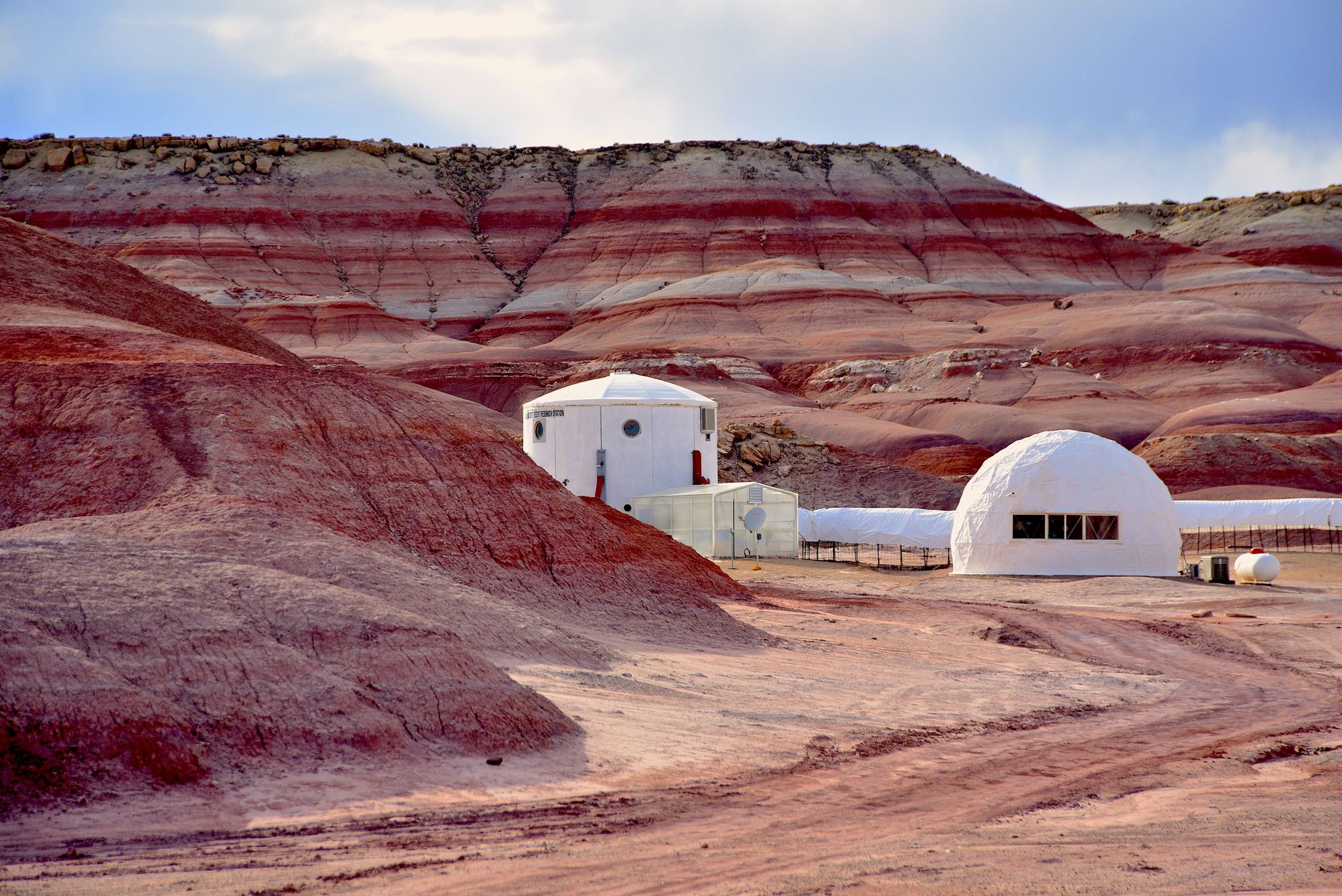
Mars simulation volunteers have completed an impressive 378-day isolation mission. This groundbreaking simulation conducted by NASA tested human endurance and adaptability in space-like conditions.
Overview of the Mars Simulation
A groundbreaking Mars simulation has come to a successful conclusion after 378 days, with a dedicated team of volunteers emerging from isolation. This extensive project, which was conducted by NASA, aimed to prepare for future human missions to Mars by closely studying the psychological and physical effects of long-duration space travel.
The simulation took place in a controlled environment, designed to mimic the conditions of a Martian habitat. During this time, the four NASA volunteers lived and worked together, experiencing isolation similar to what would be expected on the red planet. Their daily routines included conducting scientific research, maintaining their habitat, and engaging in communication blackout periods to replicate the delay in communication that astronauts would face when communicating with Earth.
Throughout the 378 days, the volunteers faced various challenges, from limited resources to the psychological effects of confinement. However, the team demonstrated remarkable resilience and adaptability, highlighting the importance of teamwork in overcoming obstacles. The insights gained from this simulation will be invaluable for future missions to Mars and for understanding the experiences of Mars simulation volunteers as they prepare for the realities of space exploration.
Purpose of the Isolation Mission
The primary purpose of the isolation mission was to simulate the conditions that astronauts would face during a real mission to Mars. By placing volunteers in a confined environment for an extended period, researchers aimed to study both the psychological and physical impacts of isolation on the human body.
The mission allowed scientists to gather valuable data on how individuals cope with the stresses of being away from Earth, including:
- Team dynamics and communication
- Coping mechanisms in high-stress situations
- Effects of confinement on mental health
- Adaptability to routine and daily tasks
These insights are crucial for developing strategies to support Mars simulation volunteers and future astronauts during long-duration space missions. Understanding the challenges faced in isolation helps inform training and selection processes for crew members, ensuring they are well-prepared for the unique demands of living on another planet.
In addition, the findings from this mission could have broader applications, benefiting individuals in various fields who experience isolation and stress, such as researchers in remote locations or professionals in high-pressure environments.
Challenges Faced by Volunteers
The Mars simulation volunteers faced numerous challenges during their 378-day journey in isolation, testing their physical and mental endurance. Living in a confined environment, they encountered various stressors that required them to adapt and find effective coping strategies.
- Limited Space: The volunteers had to share a small habitat, which posed difficulties in personal space and privacy.
- Isolation from the Outside World: With minimal communication with family and friends, the volunteers often felt a sense of loneliness, which impacted their morale.
- Resource Management: Carefully managing food and supplies was crucial, as any miscalculation could have led to shortages.
- Physical and Mental Health: The long duration of the simulation tested their physical fitness and mental well-being, requiring regular exercise and psychological support.
- Team Dynamics: Conflicts and disagreements among the crew occasionally arose, necessitating strong leadership and teamwork to maintain harmony.
Despite these challenges, the Mars simulation volunteers demonstrated resilience and adaptability, ultimately contributing valuable insights for future missions to the Red Planet.
Scientific Goals Achieved
The Mars simulation volunteers have successfully met several scientific goals during their year-long isolation, shedding light on the psychological and physiological effects of extended space missions. Over the course of 378 days, the participants engaged in various activities aimed at mimicking the conditions of living on Mars, which included conducting research, performing maintenance tasks, and adhering to a strict schedule.
Key achievements during the simulation included:
- Behavioral Studies: Researchers monitored the volunteers’ mental health, focusing on stress levels, group dynamics, and conflict resolution.
- Physical Health Assessments: Regular health check-ups were conducted to track the volunteers’ physical well-being, including changes in fitness and sleep patterns.
- Technology Testing: The simulation provided invaluable data on the effectiveness of tools and technologies proposed for future Mars missions.
- Adaptation Strategies: Strategies developed for coping with isolation and confinement will inform future mission planning.
The findings from this unprecedented experiment are expected to enhance our understanding of human resilience in space, paving the way for more successful missions to Mars and beyond.
Future Implications for Mars Missions
The successful completion of the 378-day Mars simulation by a group of dedicated volunteers opens a new chapter for future space exploration. As the world looks towards sending humans to Mars, the insights gained from this isolation mission are invaluable.
One of the key implications of this study is the psychological resilience required for long-duration space missions. The volunteers experienced numerous challenges, including confinement, resource management, and limited social interaction. Understanding how these factors affect mental health will be crucial for planning future manned missions to the Red Planet.
Additionally, the data collected on team dynamics and conflict resolution can be applied to improve crew selection and training programs. Effective teamwork will be essential for the success of Mars missions, where collaboration in high-stress environments is a necessity.
Moreover, the findings from this simulation can guide the development of life support systems and habitat design suited for extended stays on Mars. As scientists and engineers assess the needs of astronauts, the experiences of these Mars simulation volunteers can inform sustainable practices for living off-Earth.
In conclusion, the successful simulation has far-reaching implications that will help shape the future of human exploration on Mars.
Volunteer Experiences and Insights
The recent completion of a 378-day Mars simulation has provided invaluable insights from the volunteers involved in the mission. These Mars simulation volunteers faced unique challenges that tested their physical and mental resilience, resulting in a range of experiences that shed light on the realities of long-duration space missions.
- Adaptation to Isolation: Many volunteers noted the difficulty of adjusting to a confined environment. One participant shared, “The first few months were the toughest, as we had to create our own routines and maintain morale.”
- Team Dynamics: The importance of teamwork emerged as a significant theme. Another volunteer emphasized, “We learned to communicate effectively and support each other, which was crucial for our success.”
- Personal Growth: Participants reported profound personal growth, with one stating, “I discovered new aspects of myself and developed skills I never knew I had.”
These reflections from the Mars simulation volunteers highlight not only the challenges of isolation but also the potential for personal and collective growth in preparation for future missions to Mars. Their insights will inform strategies to enhance the well-being of astronauts on future interplanetary journeys.
Conclusion and Next Steps
As the Mars simulation volunteers emerge from their year-long isolation, the success of this mission marks a pivotal moment in space exploration. The knowledge gained from their experiences not only contributes to our understanding of long-duration space travel but also provides valuable insights into the psychological and social dynamics of living in confined environments.
Overall, the results of this Mars simulation will guide future missions to the Red Planet. The extensive data collected on the volunteers’ physical and mental well-being will inform NASA’s strategies for selecting and preparing astronauts for actual Mars missions. Moreover, the lessons learned regarding teamwork, conflict resolution, and stress management will be critical in ensuring the success of future space crews.
As we look ahead, several next steps are planned. Scientists will analyze the wealth of information gathered during the simulation, including the volunteers’ health metrics and daily routines. Additionally, further studies may expand on the psychological aspects of isolation, providing a framework for training future Mars simulation volunteers. This groundbreaking mission underscores the importance of meticulous preparation and adaptability for the challenges awaiting us on Mars.
The Mars simulation volunteers have demonstrated remarkable resilience and adaptability throughout their year-long experience. As researchers analyze the data, the stories of the Mars simulation volunteers continue to inspire future missions to the Red Planet.
Photo by Wine Food Travel on Pexels