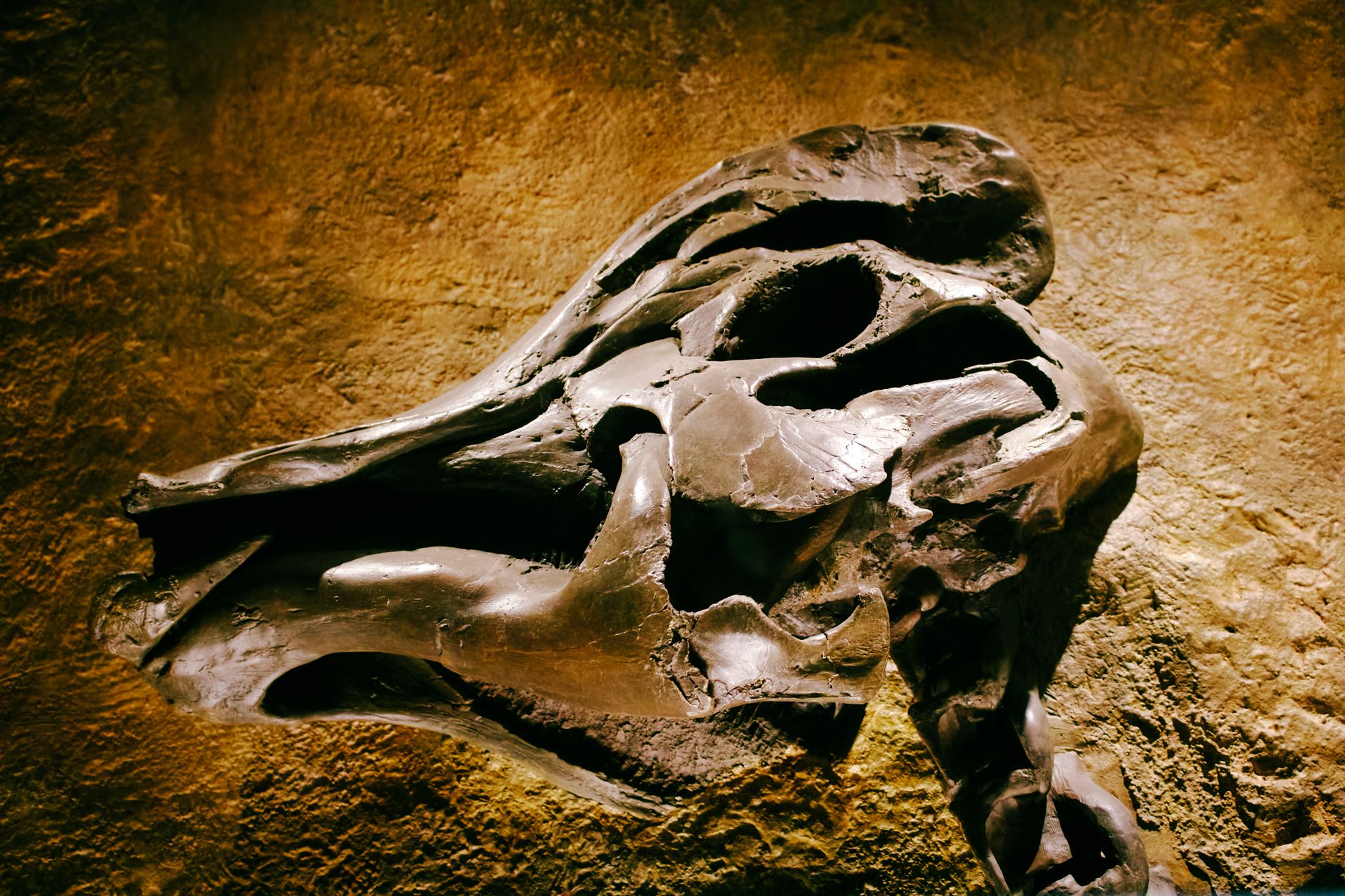
Prehistoric rodent fossils have been discovered in southern Thailand, shedding light on the region’s ancient ecosystems. This remarkable find offers a glimpse into the past and the creatures that once roamed the earth.
Discovery of Prehistoric Rodent Fossils
In a remarkable discovery, paleontologists have unearthed a collection of prehistoric rodent fossils in southern Thailand. This significant find sheds light on the evolutionary history of rodents and their adaptations to ancient environments.
The fossils, which date back millions of years, are believed to belong to a giant species of rodent that once roamed the region. According to researchers, these prehistoric rodent fossils provide invaluable insights into the diet and habitat of these ancient creatures.
Key aspects of the discovery include:
- Location: The fossils were found in a limestone cave, a site known for its rich fossil deposits.
- Size: The rodents were significantly larger than modern-day counterparts, suggesting a different ecological role.
- Implications: Understanding the adaptations of these rodents may help scientists learn more about climate change and habitat shifts over time.
This find not only captivates paleontologists but also enhances our understanding of prehistoric life in Southeast Asia.
Significance of Fossil Findings
The recent discovery of prehistoric rodent fossils in southern Thailand is not just a remarkable find; it holds significant implications for our understanding of evolutionary biology and ancient ecosystems. These fossils provide valuable insights into the biodiversity that existed millions of years ago, highlighting the adaptability and evolution of rodents over time.
Experts believe that analyzing these prehistoric rodent fossils can lead to several key revelations:
- Evolutionary Insights: The fossils may help trace the lineage of modern rodents, revealing how they adapted to different environments.
- Paleoenvironmental Context: Studying these remains allows researchers to reconstruct the ecosystems in which these rodents thrived, shedding light on climate conditions of the past.
- Ecological Relationships: Understanding the role of these rodents in their habitats can elucidate predator-prey dynamics and plant-animal interactions.
As scientists continue to investigate these remarkable fossils, they anticipate uncovering more about the history of life on Earth, particularly the evolutionary pathways of rodents and their impact on prehistoric landscapes.
Location of the Discovery
The remarkable discovery of prehistoric rodent fossils took place in the lush landscapes of southern Thailand. Archaeologists unearthed these significant remnants in a region known for its rich geological history and diverse ecosystems. The site, located near a riverbed, offers unique conditions that have preserved these ancient specimens for thousands of years.
Researchers believe that the area was once a thriving habitat for various species, including the ancestors of modern rodents. The exact coordinates of the discovery have become a point of interest for paleontologists worldwide, drawing attention to the potential for further excavations.
Among the fossils found, several large specimens stood out, indicating that the prehistoric rodents were much larger than their present-day relatives. This discovery not only sheds light on the evolutionary history of rodents but also provides valuable insights into the environmental conditions of the time.
As excavations continue, scientists hope to uncover more prehistoric rodent fossils and understand their role in the ecosystem of ancient Thailand.
Research Methods Used
Researchers employed a variety of rigorous methods to investigate the recently discovered prehistoric rodent fossils in southern Thailand. These techniques were crucial in ensuring accurate dating and analysis of the specimens.
First, the team utilized stratigraphic analysis to determine the geological layers in which the fossils were found. This method allowed them to establish a timeline for when these prehistoric rodents lived, contributing to a better understanding of their environment.
Additionally, radiocarbon dating was applied to organic materials found alongside the fossils, which helped in estimating their age. This technique is particularly essential for fossils that are less than 50,000 years old.
The researchers also conducted morphological analysis, examining the physical characteristics of the fossils to classify them within the rodent family tree. This analysis provided insights into the evolution of these species.
Overall, these comprehensive research methods played a significant role in uncovering the secrets held by the prehistoric rodent fossils, advancing our knowledge of ancient ecosystems.
Implications for Paleontology
The recent discovery of prehistoric rodent fossils in southern Thailand holds significant implications for the field of paleontology. This remarkable find not only sheds light on the diversity of ancient rodent species but also offers insights into their evolutionary adaptations. Researchers believe that these fossils could help bridge the gap in understanding the ecological roles these creatures played during their time.
Moreover, the analysis of these prehistoric rodent fossils may lead to new revelations about climate change and habitat shifts in prehistoric ecosystems. By examining the physical characteristics and dental morphology of these rodents, scientists can infer their diets and behaviors, contributing to a broader understanding of mammalian evolution.
As paleontologists continue to study the implications of this discovery, they aim to integrate these findings with existing knowledge about rodent evolution. The unique features of these fossils could potentially redefine classifications within the rodent family tree and encourage further exploration of similar sites, enhancing our understanding of prehistoric life.
Public Reaction to the Discovery
The recent discovery of prehistoric rodent fossils in southern Thailand has sparked a wave of excitement among the public and the scientific community alike. Many local residents expressed their astonishment at the size and age of the fossils, with some referring to them as “nature’s giants.”
Social media platforms have been flooded with reactions, ranging from awe to curiosity. One user commented, “I never imagined such large rodents roamed the Earth!” Others have shared their thoughts on how these prehistoric rodent fossils could reshape our understanding of ancient ecosystems.
Schools in the area have also taken the opportunity to educate students about the significance of such findings. Teachers are incorporating discussions about prehistoric life and evolution into their curricula, encouraging students to explore paleontology.
Moreover, the local government has announced plans to host a public exhibition to showcase the fossils, aiming to engage the community further. As excitement continues to grow, many hope that this discovery will inspire future research and conservation efforts in the region.
Future Research Directions
The recent discovery of prehistoric rodent fossils in southern Thailand opens up numerous avenues for future research. Scientists are eager to delve deeper into the evolutionary history of these ancient mammals, aiming to understand their adaptations and ecological roles during their time. This research could shed light on how these rodents interacted with their environment and other species, providing a clearer picture of prehistoric ecosystems.
Moreover, comparative studies with similar fossil findings from different regions may reveal migration patterns and climatic influences on species development. Researchers plan to use advanced imaging techniques and genetic analysis to better understand the morphology and genetic diversity of these prehistoric rodents.
Fieldwork will continue in the region to uncover additional fossils that could help establish a more comprehensive timeline of rodent evolution. Furthermore, interdisciplinary collaborations with archaeologists and geologists may enhance the context of these findings, enriching the narrative of how prehistoric rodent fossils fit into the broader tapestry of life on Earth.
Comparative Analysis with Other Fossils
The recent discovery of prehistoric rodent fossils has prompted a comparative analysis with other significant fossil finds. Researchers have noted that these fossils share similarities with those of ancient mammals from various geological periods.
Key comparisons include:
- Size and Morphology: The newly found rodent fossils exhibit a remarkable size, akin to some of the largest known rodent species that roamed during the Miocene epoch.
- Habitat Indicators: Similarities in dental wear patterns suggest that these rodents occupied comparable ecological niches as their contemporaries, providing insights into their dietary habits.
- Geological Context: The layer of rock where the prehistoric rodent fossils were found aligns with other notable discoveries in the region, indicating a rich history of mammalian evolution.
The implications of these comparisons extend beyond mere classification. They enhance our understanding of evolutionary pathways and environmental adaptations, shedding light on how these prehistoric creatures interacted with their ecosystems. Continued analysis will refine our knowledge of these fascinating rodent fossils and their role in Earth’s history.
Photo by James Lee on Pexels