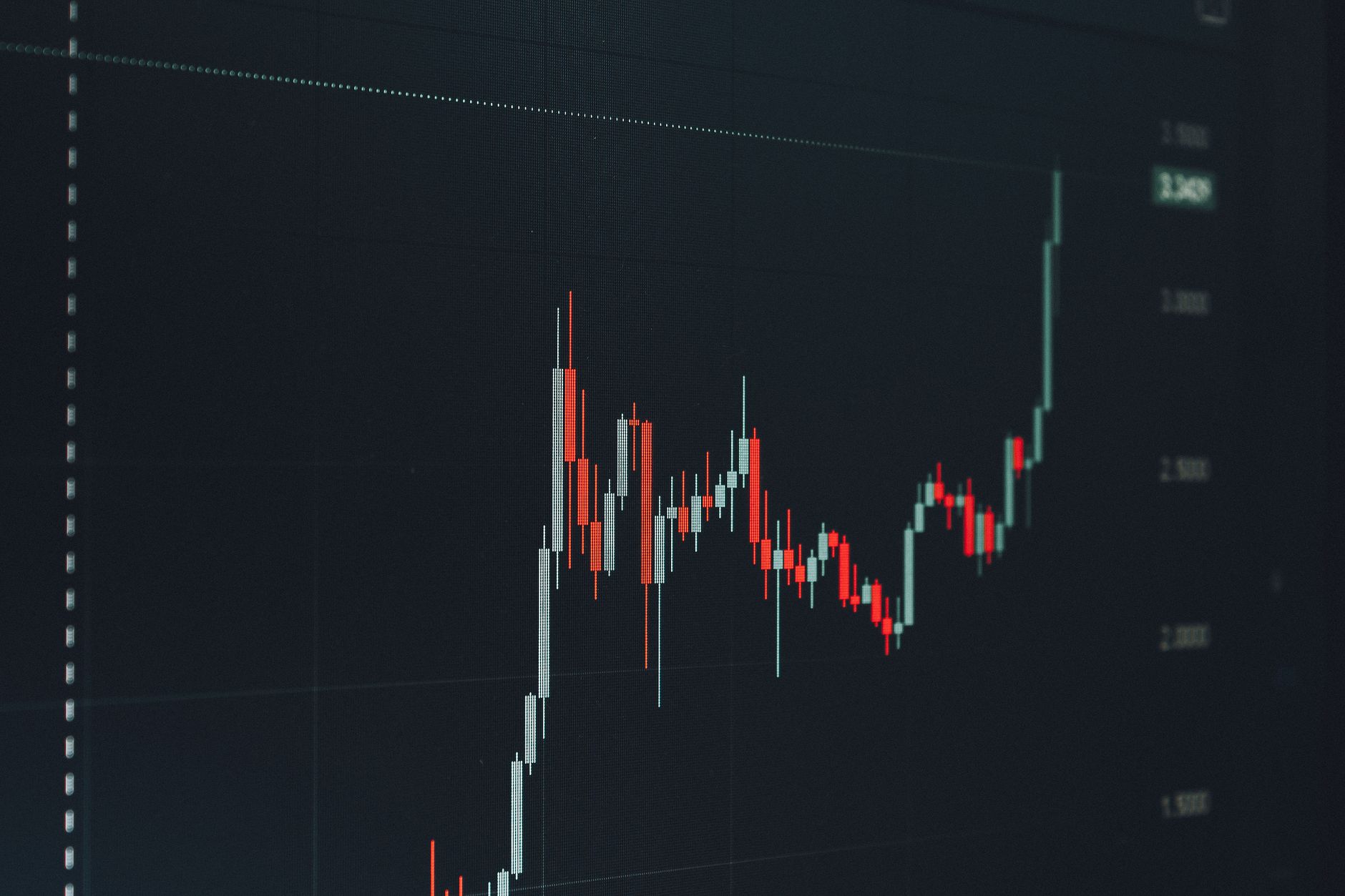
The AI bubble burst is a growing concern among economists, with predictions suggesting it could lead to a recession by the 2028 election. Wall Street’s former top cop warns of the potential fallout.
Understanding the AI Bubble
The concept of an AI bubble refers to the rapid increase in investment and speculation surrounding artificial intelligence technologies, which some experts warn may lead to an eventual collapse. As companies and startups flood the market with ambitious AI projects, there is growing concern that the inflated valuations could pave the way for what is termed the AI bubble burst.
Several indicators point to the possibility of a significant downturn:
- Excessive Valuations: Many AI companies are being valued at levels that do not align with their current revenue or profitability, leading to questions about sustainability.
- Market Saturation: As more players enter the AI space, the competition intensifies, potentially leading to oversupply and diminished returns.
- Investor Fatigue: With a surge in AI-related investments, there is a risk that investors may become disillusioned, especially if promised breakthroughs fail to materialize.
- Regulatory Challenges: Increased scrutiny from regulators could hinder innovation and growth, further straining the market.
Wall Street’s former top cop has raised alarms, predicting that the AI bubble burst could coincide with the 2028 election, potentially triggering a recession that would have widespread effects on the economy.
Predictions for 2028
As we look towards 2028, experts are increasingly concerned about the potential ramifications of the AI bubble burst. According to Wall Street’s former top cop, the likelihood of a significant economic downturn tied to artificial intelligence technologies is growing. This sentiment is echoed by many analysts who warn that an unchecked expansion in the AI sector could lead to inflated valuations and a subsequent crash.
Predictions for the coming years suggest a few key trends:
- Increased Regulation: Governments may implement stricter regulations on AI technologies, aiming to stabilize the market and protect consumers.
- Job Displacement: As AI continues to evolve, many traditional jobs could be at risk, leading to higher unemployment rates and economic strain.
- Investment Shifts: Investors may start to pivot away from AI ventures, seeking safer, more stable opportunities amidst fears of an impending bubble burst.
- Technological Stagnation: Financial setbacks within the AI sector may slow down innovation, impacting progress in various industries reliant on these advancements.
While the AI bubble burst could pose significant challenges for the economy, it may also encourage a more cautious approach to technology investment, fostering a healthier market in the long run.
Wall Street’s Insights
In recent discussions surrounding the future of artificial intelligence, Wall Street analysts have expressed significant concern regarding the potential for an AI bubble burst. This sentiment has been echoed by prominent financial figures, including the former top cop of Wall Street, who warns that the ramifications could extend far beyond the tech sector.
Analysts predict that if the bubble were to burst before the 2028 election, the repercussions could lead to a broader economic recession. Key insights from Wall Street suggest that the rapid influx of investment into AI technologies has created an inflated market that may not sustain its current trajectory.
- Potential Job Losses: A significant downturn in the AI market could result in widespread layoffs, particularly in tech-driven industries.
- Investment Fallout: Investors may face substantial losses, leading to reduced consumer spending and a downturn in economic confidence.
- Market Corrections: A sharp correction in AI valuations could cause instability in financial markets, affecting various sectors.
As opinions diverge on the sustainability of AI growth, it remains crucial to monitor these trends closely. The implications of an AI bubble burst extend beyond the immediate tech landscape and could shape economic policies and strategies well into the next decade.
Potential Economic Impact
The potential economic impact of an AI bubble burst could be profound and far-reaching. Experts warn that a significant downturn in the AI sector may not only affect technology companies but could also ripple through various industries reliant on AI-driven solutions.
As the technology matures, many businesses have increasingly integrated AI into their operations. A sudden collapse could lead to:
- Job Losses: Many positions created around AI technology might vanish, leaving skilled workers in the lurch.
- Investment Declines: A burst could deter venture capitalists and investors from funding new innovations, stifling growth in other sectors.
- Market Volatility: Stock prices for tech companies may plummet, leading to broader market instability that could affect retirement funds and individual savings.
Moreover, the psychological effect on consumer confidence could exacerbate the situation. If people believe the AI bubble has burst, they may cut back on spending, further slowing economic growth.
As Wall Street’s former top cop warns, the AI bubble burst could spur a recession by the time the 2028 election rolls around. The question remains whether this outcome is the worst-case scenario for the economy or merely a part of the natural cycle of technological advancement.
What Happens If It Bursts?
The potential fallout from the AI bubble burst could have far-reaching consequences for the economy. If the bubble explodes, several key areas may be significantly impacted:
- Job Losses: As companies overinvest in AI technologies that fail to deliver expected results, many may face layoffs, leading to increased unemployment rates.
- Investor Confidence: A sudden decline in AI-related stocks could shake investor confidence, causing a ripple effect across various sectors. This loss of trust might lead to reduced capital flow into emerging technologies.
- Market Volatility: The burst could trigger sharp market fluctuations, affecting not only tech stocks but also traditional industries that rely on AI advancements.
- Innovation Slowdown: If funding dries up due to a loss of confidence in AI, innovative projects may stall, hindering technological advancement and economic growth.
- Consumer Spending: A recession following the AI bubble burst could lead to decreased consumer spending, as households tighten budgets amidst economic uncertainty.
In summary, while the AI bubble burst might seem like a distant concern, the reality is that its repercussions could echo throughout the economy, potentially leading to a downturn that many fear could be severe.
Expert Opinions on AI
As the conversation surrounding the AI bubble intensifies, experts have begun to weigh in on the potential ramifications should the bubble burst. Many analysts argue that the current surge in AI investments is unsustainable and could lead to significant economic fallout.
Dr. Emily Thornton, an economist at the National Institute for Economic Research, suggests that while innovation can drive growth, an unchecked AI bubble may result in a sharp downturn. “If the AI bubble bursts, we could see job losses in tech sectors and beyond,” she warns. “It’s crucial for investors to be cautious.”
Professor Mark Liu of the University of Technology points to historical precedents, stating, “Similar to the tech bubble of the early 2000s, the current enthusiasm for AI may lead to inflated valuations that are not based on real-world applications.” He emphasizes the need for a balanced approach that prioritizes sustainable growth over speculative investments.
Meanwhile, Sarah Jin, a venture capitalist, believes that the potential for AI to revolutionize industries is immense. “However, if the AI bubble bursts, it could stifle innovation and lead to a prolonged recession,” she notes. “We must tread carefully to avoid dire consequences for the economy.”
These expert opinions highlight the delicate balance between innovation and economic stability as the AI landscape continues to evolve.
Preparing for Economic Changes
As discussions surrounding the AI bubble burst gain momentum, it is crucial for both businesses and individuals to prepare for potential economic changes. The rapid growth of artificial intelligence has led to significant investments and expectations, but the looming threat of a bubble bursting could mean a drastic shift in the economic landscape.
To better navigate these uncertain times, experts recommend the following strategies:
- Diversification of Investments: Investors should consider diversifying their portfolios to mitigate risks associated with the volatility of AI stocks and related technologies.
- Focus on Sustainability: Companies should prioritize sustainable practices and resilient business models that can weather economic downturns.
- Continuous Learning: Professionals must stay informed about market trends and technological advancements, ensuring they remain competitive in a rapidly evolving job market.
- Emergency Preparedness: Both businesses and households should establish financial buffers to withstand potential recessionary impacts stemming from the AI bubble burst.
By implementing these strategies, stakeholders can position themselves to better handle the consequences of potential economic shifts. While the AI bubble burst may seem daunting, proactive measures can mitigate its impact and foster resilience in the face of uncertainty.
Historical Comparisons of Market Bubbles
Market bubbles have been a recurring theme throughout economic history, often leading to significant downturns when they burst. The AI bubble burst is a topic that has drawn parallels to previous bubbles, such as the dot-com bubble in the late 1990s and the housing market bubble in the mid-2000s. Understanding these historical comparisons can provide insights into the potential trajectory of the current AI landscape.
During the dot-com era, exuberance around internet-based companies led to inflated stock prices, with investors pouring money into startups that often lacked solid business models. When the bubble eventually burst in 2000, it resulted in a sharp market decline and a prolonged recession. Similarly, the housing bubble, fueled by easy credit and speculative investments, culminated in a financial crisis that had far-reaching effects on the global economy.
In both cases, the aftermath revealed the fragility of overvalued markets and the risks associated with rapid technological advancements. The potential for an AI bubble burst raises questions about whether the current market is sustainable or if it is merely a reflection of inflated expectations. As various sectors continue to invest heavily in AI, the lessons learned from past bubbles serve as a cautionary tale for investors and policymakers alike.
Photo by Alexas Fotos on Pexels
Where this came from
Oppo Reno 17 Camera: Best Features and Specs Revealed · Fano Mirror System: The Best Proven Method for Light Motion · Asian meeting spree: Foreign leaders seek new alliances