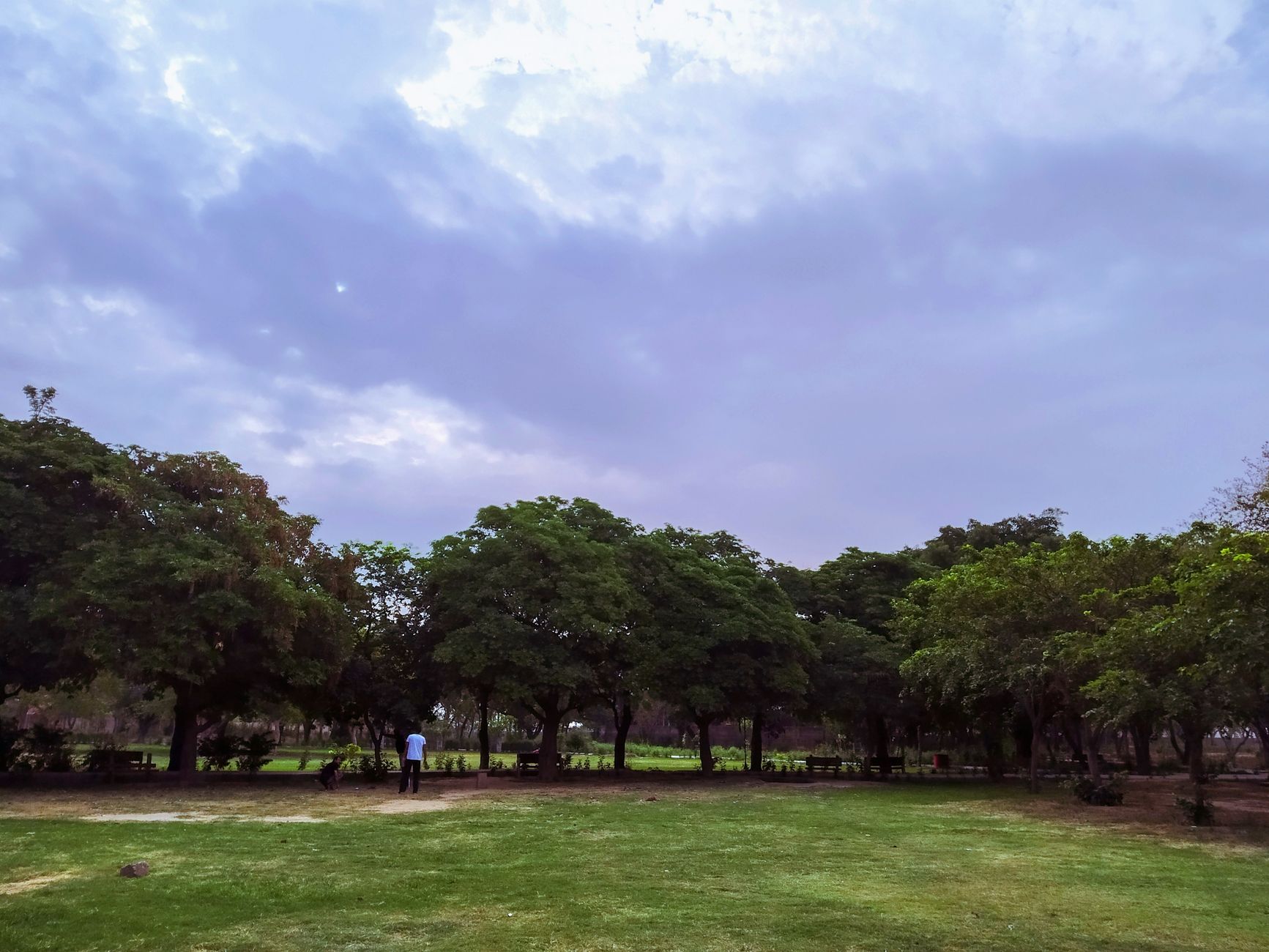
New Delhi park closure has become a hot topic as authorities shut down a popular space ahead of the upcoming ‘cockroach’ movement rally. This decision has raised questions about public assembly and civic rights.
Background on the Cockroach Movement
The recent closure of a prominent park in New Delhi has raised concerns among activists and residents alike. This decision comes just ahead of a planned rally by the “Cockroach Movement,” a grassroots initiative aimed at raising awareness about urban environmental issues. The park, a popular gathering place, has long been a venue for community events and peaceful protests.
Supporters of the movement have expressed their frustration over the timing of the New Delhi park closure, arguing that it represents a broader trend of restricting public spaces for dissent. They believe that such actions undermine the democratic right to assemble and voice opinions on critical issues affecting the environment and urban life.
Members of the Cockroach Movement are determined to proceed with their rally, despite the obstacles they face. They emphasize the importance of public awareness and community involvement in addressing the challenges posed by urbanization and pollution. As the rally draws closer, many are left questioning the government’s commitment to fostering open dialogue and activism in the capital city.
Impact of Park Closure on Protesters
The recent New Delhi park closure has sparked significant concern among protesters planning to participate in the upcoming rally. Many activists believe that this move is an attempt to stifle their voices and undermine the objectives of the Cockroach Movement.
Protesters have expressed that the park serves as a vital space for gathering and mobilizing support. The closure raises several issues:
- Access to Space: The park has historically been a central meeting point for various social movements, allowing activists to connect and strategize.
- Public Awareness: Holding the rally in the park would have maximized visibility, attracting more media coverage and public attention to their cause.
- Symbolic Importance: The location holds cultural significance, reinforcing the protesters’ message and commitment to their fight.
As the date of the rally approaches, many are questioning the rationale behind the New Delhi park closure. This decision could lead to increased tensions between authorities and demonstrators, further complicating an already charged atmosphere.
Public Reaction to the Decision
As news of the New Delhi park closure spread, public reaction has been swift and varied. Many citizens expressed their frustration, viewing the decision as a blatant attempt to stifle dissent ahead of the highly anticipated rally. “This is a clear move to undermine our voices,” said local activist Rina Sharma. “Closing down public spaces is not the way to promote democracy.”
In contrast, some residents supported the closure, arguing that it was necessary to maintain order amid rising tensions. “Safety must come first,” stated retired government employee Rajesh Mehta. “We cannot allow protests to escalate into violence.”
As the day of the rally approaches, social media has become a battleground for opinions, with hashtags related to the New Delhi park closure trending prominently. “We will not be silenced,” tweeted one user, while another lamented, “A park should be a place for gathering, not a political pawn.”
The decision has sparked a debate about the balance between security and the right to assemble, leaving many to wonder what the future holds for public protests in the capital.
Government’s Justification for Closure
The government has defended the New Delhi park closure, citing security concerns as the primary reason for their decision. Officials stated that the park’s proximity to key government buildings necessitated heightened precautions, especially in light of the upcoming rally associated with the Cockroach Movement. They emphasized the need to maintain public order and prevent any potential disruptions that could arise during the protest.
In a statement, a government spokesperson remarked, “The safety of citizens and the integrity of our institutions are of utmost importance. We have a duty to ensure that any gathering does not escalate into a situation that could endanger public safety.”
Moreover, the government pointed out that the closure of the park was a temporary measure, designed to facilitate a smooth and peaceful protest atmosphere. They encouraged organizers to find alternative locations for their rally, asserting that this would allow for greater control over the event and minimize any risks associated with public gatherings.
Despite these justifications, criticism from various civic groups continues to mount, questioning the legitimacy of such restrictions on public spaces.
Comparative Analysis with Past Protests
The recent closure of the park in New Delhi has drawn parallels with past protests that faced similar restrictions. Historical instances reveal a pattern where authorities have preemptively closed public spaces to stifle dissent.
Protests in the past, such as the anti-corruption movement in 2011 and the farmers’ protests in 2020, saw similar tactics employed by the government. In both cases, closures were justified as necessary for maintaining public order, but many critics argued these actions infringed on the right to peaceful assembly.
Moreover, the closure of the New Delhi park ahead of the cockroach movement rally raises concerns about the government’s growing tendency to limit public discourse. Observers note that such measures often backfire, igniting greater public outcry and mobilizing more supporters.
As activists and citizens reflect on these historical precedents, they express apprehension that the New Delhi park closure may not only undermine the current movement but also set a worrying precedent for future protests.
- Closure patterns in past protests.
- Impact on public assembly rights.
- Government justifications criticized.
Legal Implications of Assembly Restrictions
The recent decision to enforce assembly restrictions in New Delhi parks raises significant legal implications, particularly in light of the upcoming ‘cockroach’ movement rally. Critics argue that the park closure directly infringes upon the constitutional right to peaceful assembly, a cornerstone of democratic expression in India.
According to legal experts, the government’s justification for the New Delhi park closure may not hold up if challenged in court. They emphasize that the right to assemble peacefully is protected under Article 19 of the Indian Constitution. The timing of this restriction, just days before a major protest, suggests an attempt to suppress dissent rather than ensure public safety.
Furthermore, historical precedents indicate that similar restrictions have often been deemed unconstitutional when they disproportionately limit civil liberties. As protesters prepare to gather, the legal community is closely monitoring the situation, emphasizing the importance of upholding democratic rights in the face of government actions that may be seen as oppressive.
Ultimately, the fallout from the New Delhi park closure could pave the way for future legal battles over assembly rights in India.
Future of New Delhi’s Public Spaces
The recent closure of a prominent park in New Delhi has sparked a significant debate about the future of public spaces in the city. Many residents and activists fear that such actions could set a dangerous precedent for the management of communal areas, particularly in light of the upcoming rally associated with the Cockroach Movement.
As urban centers continue to face challenges related to crowd control and public assembly, the need for accessible public spaces becomes increasingly vital. The New Delhi park closure raises concerns regarding the government’s prioritization of security over community engagement.
Key considerations for the future of public spaces include:
- Accessibility: Parks should remain open to foster community interactions.
- Freedom of Expression: Public spaces are essential for protests and civic engagement.
- Government Accountability: Authorities must balance security measures with the rights of citizens.
Ultimately, the New Delhi park closure may reflect broader trends in governance and urban planning that could impact how citizens navigate their rights and freedoms in public areas.
Photo by Yogendra Singh on Pexels

One thought on “New Delhi park closure: The Worst Move Ahead of Rally”