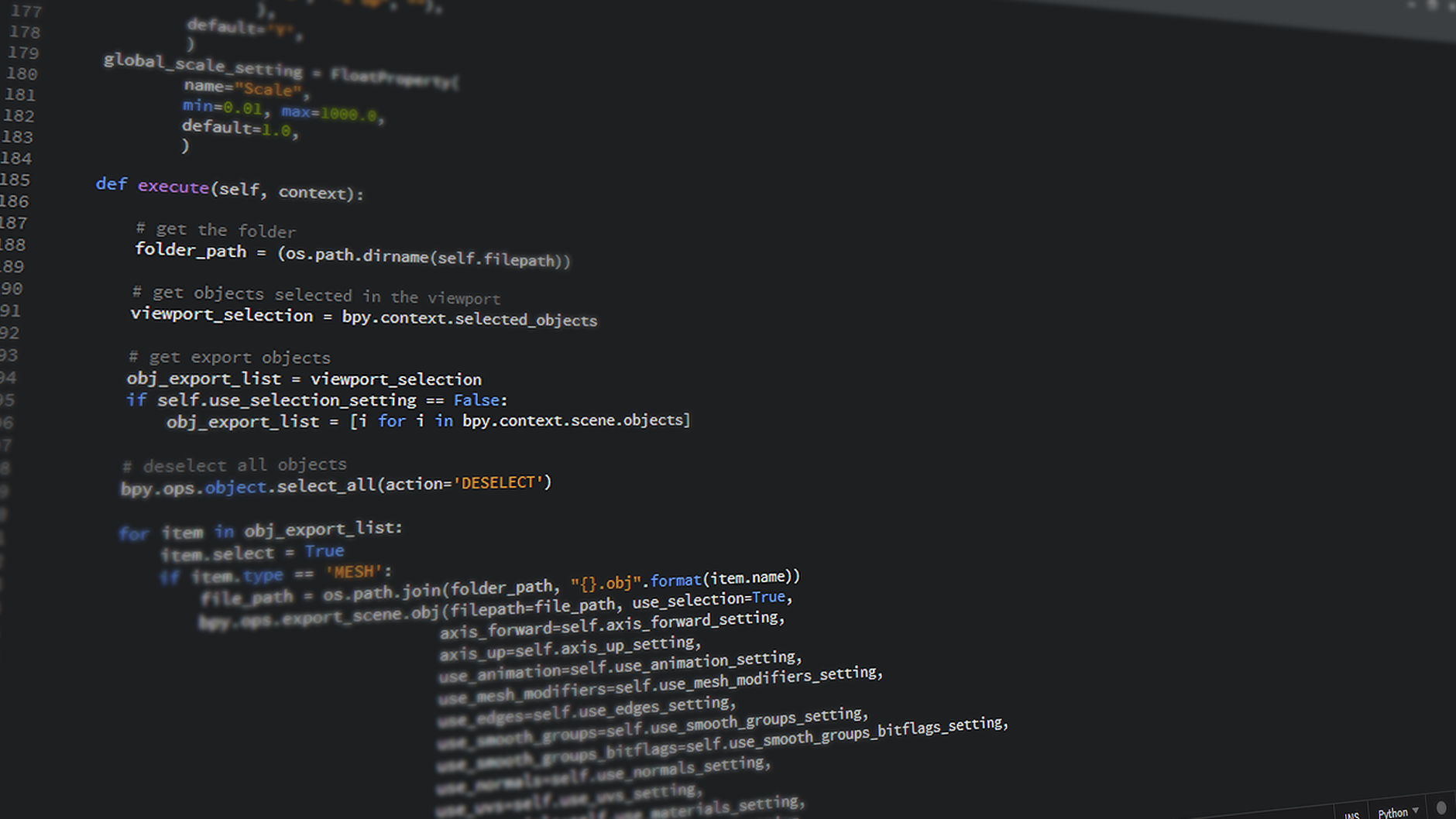
Python script AI agent is a powerful tool for automation. In today’s tech-driven world, turning a Python script into an AI agent can enhance productivity and efficiency.
What is an AI agent?
An AI agent is a software entity that performs tasks autonomously, using artificial intelligence to make decisions based on data analysis and predefined rules. These agents can operate in various environments, learning from interactions and improving their performance over time. The primary goal of an AI agent is to achieve a specific objective, which can range from simple automation tasks to complex problem-solving scenarios.
AI agents can be categorized into several types, including:
- Reactive Agents: These agents respond to specific stimuli from their environment without retaining past experiences.
- Deliberative Agents: They maintain an internal model of the world and can plan ahead based on their knowledge.
- Learning Agents: These AI agents improve their performance by learning from past experiences and adapting their strategies accordingly.
One popular method for creating AI agents is through a Python script AI agent, which leverages the extensive libraries and frameworks available in Python. This allows developers to build sophisticated agents that can perform tasks ranging from data analysis to natural language processing, all while streamlining workflows and improving efficiency.
Benefits of using Python for AI
Python has emerged as a leading programming language in the field of artificial intelligence, offering numerous benefits for developers. One of the primary advantages is its simplicity and readability, which allows programmers to focus on developing algorithms rather than getting bogged down in complex syntax.
Additionally, Python boasts a vast ecosystem of libraries and frameworks tailored for AI development. These include:
- TensorFlow: A powerful library for machine learning and deep learning.
- Keras: An easy-to-use neural network library that runs on top of TensorFlow.
- Scikit-learn: A versatile tool for traditional machine learning tasks.
- NLTK: A comprehensive library for natural language processing.
Furthermore, Python’s extensive community support means that developers can access a wealth of resources, tutorials, and forums to aid in problem-solving. This collaborative environment fosters innovation and accelerates the development of AI applications.
Moreover, the integration capabilities of Python allow it to work seamlessly with other languages and tools, making it a suitable choice for creating a Python script AI agent that can automate various tasks effectively.
How to turn a Python script into an AI agent
Turning a Python script into an AI agent involves several key steps that enable the script to function autonomously and make decisions based on data. Below are some essential steps to consider:
- Define the Objective: Clearly outline the purpose of the AI agent. This could range from automating a simple task to handling complex data analysis.
- Select the Right Libraries: Utilize Python libraries such as TensorFlow, PyTorch, or scikit-learn that facilitate machine learning and AI functionalities. These libraries provide powerful tools to enhance the capabilities of your script.
- Implement Decision-Making Logic: Incorporate algorithms that allow the AI agent to evaluate data and make decisions. This could involve using if-else statements, neural networks, or reinforcement learning techniques.
- Test and Validate: Rigorously test your AI agent to ensure it performs as expected. Validation is crucial to refine its decision-making abilities and improve reliability.
- Deploy and Monitor: Finally, deploy your Python script AI agent in a controlled environment and monitor its performance. Make adjustments as necessary to optimize its functionality.
By following these steps, you can effectively transform a Python script into a capable AI agent.
Common challenges in AI development
Developing an AI agent using a Python script can be a rewarding but challenging endeavor. Here are some common challenges faced by developers in this field:
- Data Quality and Quantity: AI agents rely heavily on data to learn and make decisions. Insufficient or poor-quality data can lead to inaccurate predictions and ineffective performance.
- Complexity of Algorithms: Implementing sophisticated algorithms can be daunting. Developers must have a solid understanding of both machine learning principles and the specific algorithms they choose to employ in their Python scripts.
- Integration with Existing Systems: Often, AI agents need to work alongside existing software. Ensuring seamless integration can be complex, especially when dealing with legacy systems.
- Ethical Considerations: As AI technology advances, ethical concerns regarding bias, privacy, and transparency become more prominent. Developers must address these issues in their Python script AI agent to build trust and accountability.
- Performance Optimization: AI agents can require significant computational resources. Optimizing performance to balance speed and accuracy is crucial for effective deployment.
By understanding these challenges, developers can better prepare themselves for the complexities of creating an AI agent using a Python script.
Real-world applications of AI agents
As industries continue to evolve, the adoption of Python script AI agents has become increasingly prominent across various sectors. These AI agents serve as powerful tools to enhance efficiency and streamline operations. Here are some notable real-world applications:
- Customer Support: AI agents can handle queries, troubleshoot issues, and provide instant assistance, significantly reducing wait times for customers.
- Data Analysis: Organizations utilize Python script AI agents to analyze large datasets, generating insights that inform business decisions and strategies.
- Automation of Repetitive Tasks: From scheduling meetings to managing emails, AI agents can automate mundane tasks, allowing employees to focus on more strategic initiatives.
- Personalized Marketing: Businesses leverage AI agents to analyze consumer behavior and preferences, helping tailor marketing campaigns to individual customers.
- Healthcare: Python script AI agents are increasingly used in diagnostics, patient management, and even in robotic surgeries, improving overall patient care.
These applications showcase the versatility and effectiveness of AI agents in addressing complex challenges in diverse fields. As technology advances, the capabilities of these agents are expected to expand further, making them indispensable assets in the modern workplace.
Future trends in AI technology
The future of AI technology is poised for remarkable advancements, particularly with the integration of Python script AI agents in various industries. As machine learning and artificial intelligence continue to evolve, several trends are emerging that could shape the landscape of automation.
- Increased Accessibility: The democratization of AI tools is making it easier for developers to create Python script AI agents, enabling even small businesses to leverage sophisticated technology.
- Enhanced Collaboration: AI agents are increasingly being designed to work alongside human teams, facilitating better communication and decision-making processes.
- Focus on Ethical AI: As concerns about bias and transparency grow, future AI development will likely emphasize creating ethical frameworks for Python script AI agents to ensure responsible use.
- Integration with IoT: The Internet of Things (IoT) is expected to drive the use of AI agents, allowing Python scripts to interact with smart devices, leading to more efficient automation solutions.
- Personalization: Future AI agents will likely focus on delivering tailored experiences, utilizing data analysis to meet individual user needs.
These trends indicate that Python script AI agents will not only enhance automation but also transform how we interact with technology in our daily lives.
The Python script AI agent has gained popularity among developers for its versatility and ease of use. Many businesses are now considering whether a Python script AI agent is the best way to automate their workflows.
Photo by Pixabay on Pexels

One thought on “Python Script AI Agent: Is It the Best Way to Automate?”